


Who was Rameses?
Pharaoh of Egypt
Family of Rameses
View the Bible family treeThe story of Rameses
Rameses was an important figure in the Bible, known for his role in the Exodus of the Israelites from Egypt. He was the son of Pharaoh Seti I and Queen Tuya, and the brother of Pharaoh Seti II. He is best known for his role in the Exodus, as he was the Pharaoh who refused to let the Israelites go, despite the warnings of Moses and Aaron. He was a powerful ruler, and his reign lasted for 67 years. He is credited with the construction of many monuments and temples, including the Ramesseum, the Luxor Temple, and the Great Temple of Abu Simbel. He is also known for his military campaigns, which included the Battle of Kadesh and the Battle of Qadesh. He is remembered as a great leader and a powerful ruler, and his legacy lives on in the monuments and temples he built.
Name meaning
The name "Rameses" (also spelled "Ramses" or "Ramesses") is of Egyptian origin and is most famously associated with several pharaohs of ancient Egypt. The name is derived from the Egyptian "Ra-mes-su," which means "born of Ra" or "Ra has fashioned him." Ra was the ancient Egyptian sun god, and the name reflects the common practice of invoking deities in royal names to signify divine favor or lineage. The most well-known bearer of the name is Ramesses II, also known as Ramesses the Great, who reigned during the 19th Dynasty and is often regarded as one of Egypt's most powerful and celebrated pharaohs
Name origin
Egyptian
First mention
Genesis 47:11
Appearances in the Bible
4 mentions
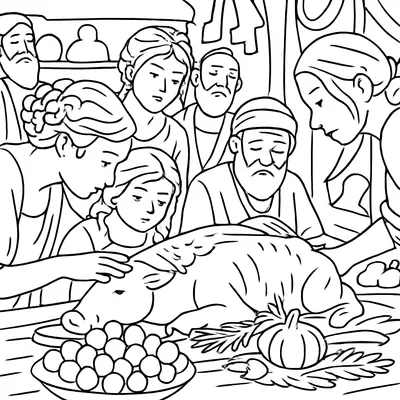
Coloring pages with Rameses
Questions about Rameses
Who was Rameses in the Bible?
Rameses was an important figure in the Bible, known for his role in the Exodus of the Israelites from Egypt. He was the son of Pharaoh Seti I and Queen Tuya, and the brother of Pharaoh Seti II. He is best known for his role in the Exodus, as he was the Pharaoh who refused to let the Israelites go, despite the warnings of Moses and Aaron. He was a powerful ruler, and his reign lasted for 67 years. He is credited with the construction of many monuments and temples, including the Ramesseum, the Luxor Temple, and the Great Temple of Abu Simbel. He is also known for his military campaigns, which included the Battle of Kadesh and the Battle of Qadesh. He is remembered as a great leader and a powerful ruler, and his legacy lives on in the monuments and temples he built.
What does the name Rameses mean?
The name Rameses means “The name "Rameses" (also spelled "Ramses" or "Ramesses") is of Egyptian origin and is most famously associated with several pharaohs of ancient Egypt. The name is derived from the Egyptian "Ra-mes-su," which means "born of Ra" or "Ra has fashioned him." Ra was the ancient Egyptian sun god, and the name reflects the common practice of invoking deities in royal names to signify divine favor or lineage. The most well-known bearer of the name is Ramesses II, also known as Ramesses the Great, who reigned during the 19th Dynasty and is often regarded as one of Egypt's most powerful and celebrated pharaohs”. Origin: Egyptian.
Where is Rameses first mentioned in the Bible?
Rameses is first mentioned in Genesis 47:11.
How many times is Rameses mentioned in the Bible?
Number of mentions in the Bible: 4.
Have a conversation with Rameses
Ask Rameses questions, seek wisdom, and explore their story through an AI-powered conversation. Download the BiblePics app to start chatting.