

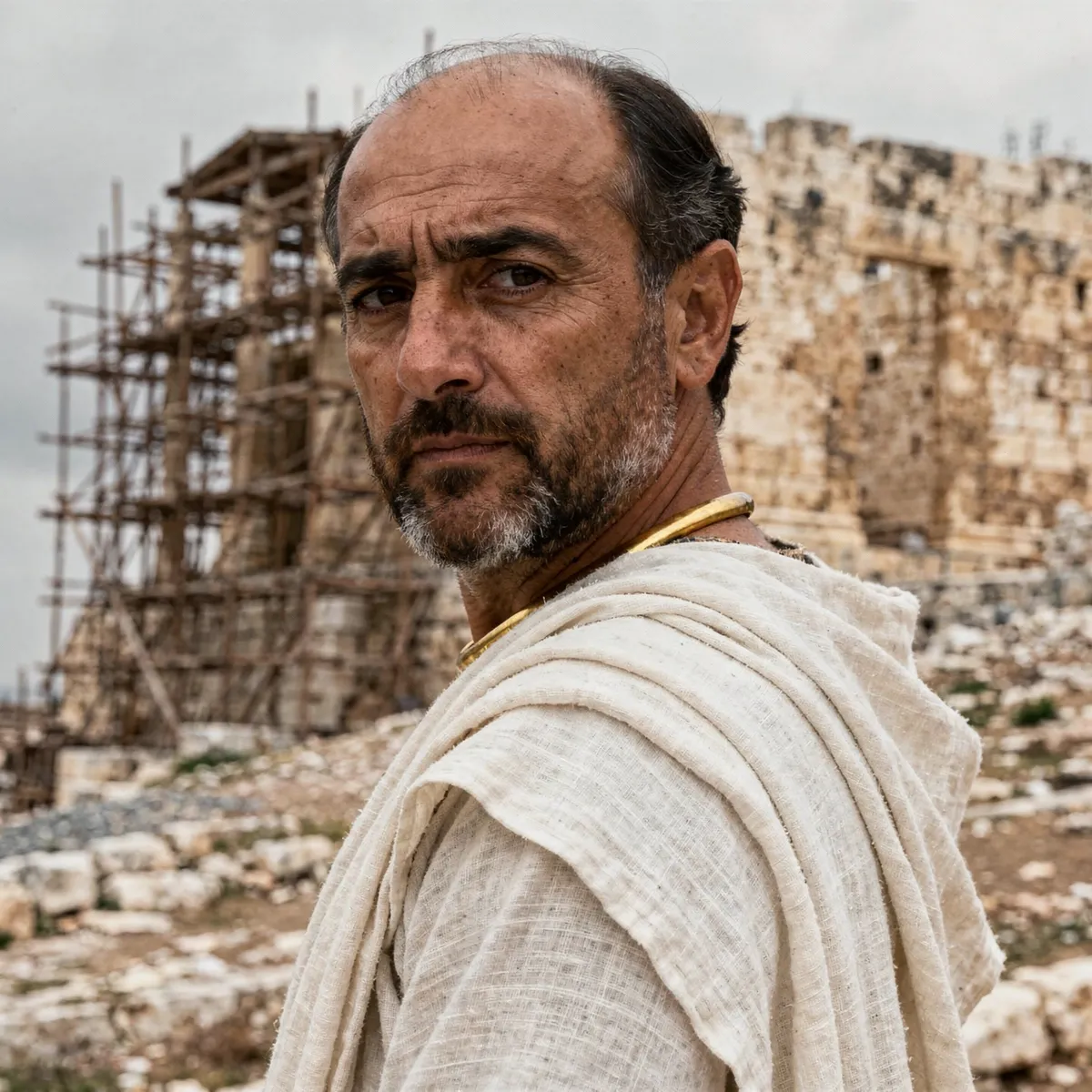
The story of Tattenai
Tattenai was a Persian official who served under King Darius I of Persia. He was the governor of the province of Trans-Euphrates and was responsible for the rebuilding of the Temple of Jerusalem. He is best known for his role in the rebuilding of the Temple of Jerusalem, which was destroyed by the Babylonians in 586 BC.
Tattenai was born in the Persian Empire and was the son of a nobleman. He had two brothers, Shethar-bozenai and Admatha. He was appointed by King Darius I to be the governor of the province of Trans-Euphrates.
He was tasked with overseeing the rebuilding of the Temple of Jerusalem, which had been destroyed by the Babylonians in 586 BC. Tattenai was successful in his mission and the Temple of Jerusalem was rebuilt. He also helped to restore the city of Jerusalem and its surrounding areas.
He was also responsible for the rebuilding of the walls of Jerusalem. Tattenai is best known for his role in the rebuilding of the Temple of Jerusalem. He was successful in his mission and the Temple of Jerusalem was rebuilt.
He also helped to restore the city of Jerusalem and its surrounding areas. He was also responsible for the rebuilding of the walls of Jerusalem. His efforts helped to restore the Jewish faith and culture in the region.
- Name meaning
- The name "Tattenai" is of biblical origin, specifically found in the Hebrew Bible or Old Testament. Tattenai was a Persian governor of the province "Beyond the River," meaning the region west of the Euphrates River, during the time of the rebuilding of the Second Temple in Jerusalem. He is mentioned in the Book of Ezra, where he is noted for questioning the Jews about their authorization to rebuild the temple, ultimately allowing them to continue after verifying the decree of King Cyrus. In terms of etymology, the exact meaning of the name "Tattenai" is not definitively established, but it may derive from a Persian or Babylonian root, given its context and historical background. Etymologists have not agreed on a specific interpretation, leaving its precise meaning somewhat uncertain
- Name origin
- Hebrew
- Role
- Satrap
Family of Tattenai
View the Bible family treeQuestions about Tattenai
Who was Tattenai in the Bible?
Tattenai was a Persian official who served under King Darius I of Persia. He was the governor of the province of Trans-Euphrates and was responsible for the rebuilding of the Temple of Jerusalem. He is best known for his role in the rebuilding of the Temple of Jerusalem, which was destroyed by the Babylonians in 586 BC. Tattenai was born in the Persian Empire and was the son of a nobleman. He had two brothers, Shethar-bozenai and Admatha. He was appointed by King Darius I to be the governor of the province of Trans-Euphrates. He was tasked with overseeing the rebuilding of the Temple of Jerusalem, which had been destroyed by the Babylonians in 586 BC. Tattenai was successful in his mission and the Temple of Jerusalem was rebuilt. He also helped to restore the city of Jerusalem and its surrounding areas. He was also responsible for the rebuilding of the walls of Jerusalem. Tattenai is best known for his role in the rebuilding of the Temple of Jerusalem. He was successful in his mission and the Temple of Jerusalem was rebuilt. He also helped to restore the city of Jerusalem and its surrounding areas. He was also responsible for the rebuilding of the walls of Jerusalem. His efforts helped to restore the Jewish faith and culture in the region.
What does the name Tattenai mean?
The name Tattenai means “The name "Tattenai" is of biblical origin, specifically found in the Hebrew Bible or Old Testament. Tattenai was a Persian governor of the province "Beyond the River," meaning the region west of the Euphrates River, during the time of the rebuilding of the Second Temple in Jerusalem. He is mentioned in the Book of Ezra, where he is noted for questioning the Jews about their authorization to rebuild the temple, ultimately allowing them to continue after verifying the decree of King Cyrus. In terms of etymology, the exact meaning of the name "Tattenai" is not definitively established, but it may derive from a Persian or Babylonian root, given its context and historical background. Etymologists have not agreed on a specific interpretation, leaving its precise meaning somewhat uncertain”. Origin: Hebrew.
Have a conversation with Tattenai
Ask Tattenai questions, seek wisdom, and explore their story through an AI-powered conversation. Download the BiblePics app to start chatting.
- Ask Tattenai your own questions
- Biblical Wordle and Bible trivia
- A reading streak, trophies and daily reminders


Scan with your phone camera to get the app
Free on iPhone and Android