
The story of Zerubbabel
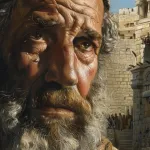
Zerubbabel was a biblical figure who was the leader of the first group of Jews to return to Jerusalem from Babylonian captivity. He was the son of Shealtiel, a descendant of King David, and the grandson of King Jehoiachin. He was also the great-grandson of King Josiah. Zerubbabel is best known for leading the Jews in the rebuilding of the Second Temple in Jerusalem. He was appointed governor of Judah by the Persian king Cyrus the Great. Zerubbabel was instrumental in the rebuilding of the Temple, which had been destroyed by the Babylonians. He was also responsible for the rebuilding of the city walls of Jerusalem. He was a leader of the Jewish people and a symbol of hope for the future. He was a strong advocate for the Jewish faith and culture, and he was respected by both Jews and non-Jews alike. Zerubbabel had two siblings, Abiud and Rhesa. He was married to a woman named Shelomith, and they had a son named Meshullam. He is remembered in the Bible for his faithfulness to God and his commitment to the rebuilding of the Temple. He is also remembered for his courage and leadership in the face of adversity. Zerubbabel is an important figure in the Bible and is remembered for his faithfulness and courage.
Name meaning
The name "Zerubbabel" is of Hebrew origin and has a significant meaning, especially in biblical contexts. It is commonly interpreted to mean "seed of Babylon" or "born in Babylon." The name is composed of the Hebrew elements 'zera,' meaning seed or offspring, and 'Babel,' referring to Babylon. Zerubbabel is a prominent figure in the Hebrew Bible, notably known for leading the first group of Jews back to Jerusalem from Babylonian captivity and for overseeing the rebuilding of the Second Temple.
Name origin
Hebrew
Role
Governor
First mention
1 Chronicles 3:19
Appearances in the Bible
21 mentions