

1
Paul's Change of Plans
2 Corinthians 1
Paul introduces himself, and expresses his thankfulness to God for the comfort and encouragement he has received through the Corinthians' faith.
Read chapter 1

The Second Epistle to the Corinthians, also known as the Second Letter to the Corinthians, is a book of the New Testament of the Bible. It is a written letter from the apostle Paul to the Christian community in Corinth. The Second Letter to the Corinthians covers a wide range of subjects, including the importance of Christian suffering, the nature of Christian leadership, and the role of grace in the life of the church. The letter also includes a number of teachings about Christian ethics and the importance of living a life that is pleasing to God. Key figures in the Second Letter to the Corinthians include the apostle Paul, as well as the Christian community in Corinth, who are the recipients of the letter. The letter also mentions various other individuals, such as the false apostles and the Gentiles, who are the subjects of the apostle's teachings and exhortations. The letter also includes a number of references to God and his actions, as well as expressions of trust and reliance on him.
2 Corinthians 1
Paul introduces himself, and expresses his thankfulness to God for the comfort and encouragement he has received through the Corinthians' faith.
2 Corinthians 2
Paul explains that he had to change his plans to visit Corinth and apologizes for any pain his previous letter may have caused.

2 Corinthians 3
Paul teaches about the ministry of the New Covenant and the transformation that occurs through faith in Jesus.

2 Corinthians 4
Paul teaches about the importance of perseverance in the face of trials and the hope that is found in Jesus.

2 Corinthians 5
Paul teaches about the importance of living by faith and the assurance of eternal life through Jesus.
2 Corinthians 6
Paul teaches about the importance of holiness and the implications of being a temple of the Holy Spirit.
2 Corinthians 7
Paul expresses his joy at the Corinthians' repentance and encourages them to continue growing in their faith.

2 Corinthians 8
Paul encourages the Corinthians to give generously to the offering for the poor saints in Jerusalem.

2 Corinthians 9
Paul teaches about the principles of giving and the blessings that come from giving to others.
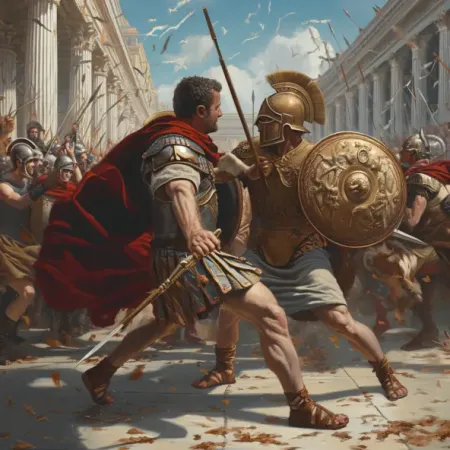
2 Corinthians 10
Paul defends his apostleship and the authority of his message.
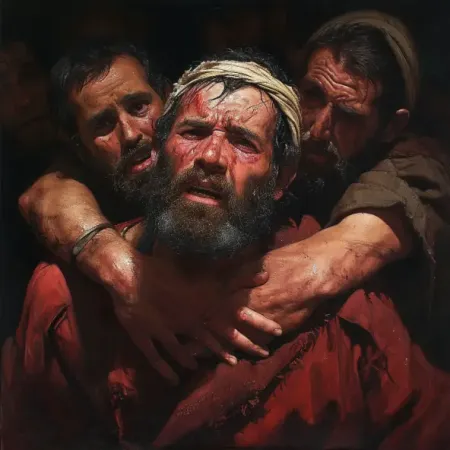
2 Corinthians 11
Paul defends himself against false apostles and explains the sufferings he has endured for the sake of the gospel.

2 Corinthians 12
Paul shares about a vision he had of paradise and the thorn in his flesh.
2 Corinthians 13
Paul concludes his letter with instructions for the conduct of worship and final greetings.
Key figures in 2 Corinthians

God
Supreme Being

Israel
King
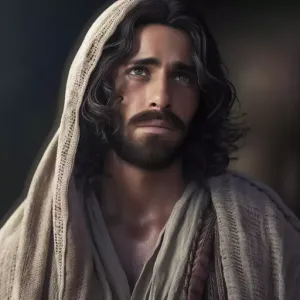
Jesus
Prophet
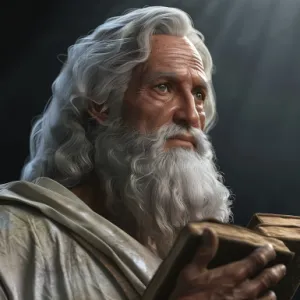
Moses
Prophet, biblical judge

Abraham
Prophet, patriarch

Paul
Apostle

Eve
Mother of all humankind
Damascus
Governor of Damascus
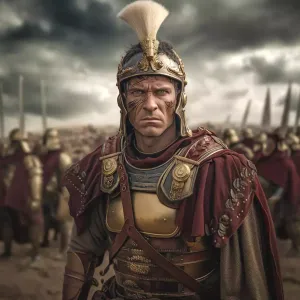
Titus
Paul the Apostle's disciple.
Judaea
Governor
Asia
continent
Timotheus
Disciple and companion of the apostle Paul.
Achaia
Proconsul
Corinth
Corinth was a city in Greece.
Timothy
Disciple
Troas
Silvanus
Corinthians