22 verses2 min
Job's Character and Blessings
Job 1
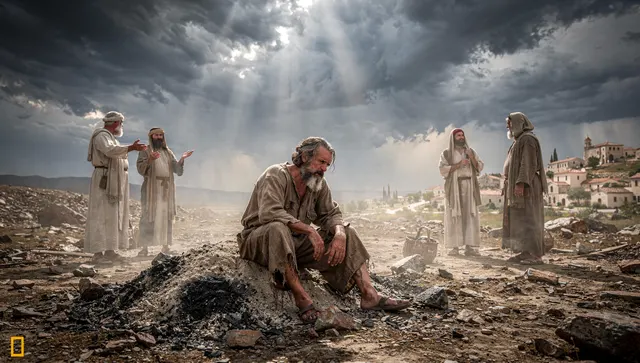
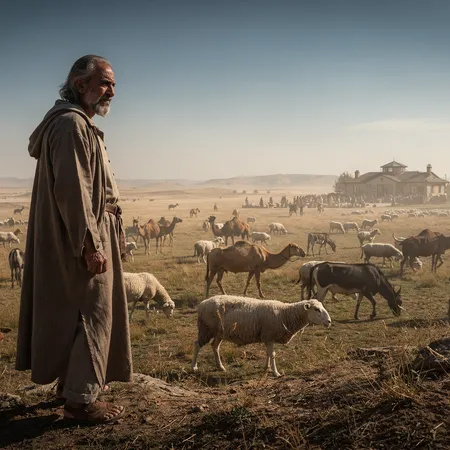
Job is introduced as a righteous man who is blessed with wealth and family.
The Book of Job is a book of the Hebrew Bible and the Christian Old Testament. It tells the story of Job, a wealthy and righteous man who suffers a series of tragedies and afflictions, and the conversations between Job and his friends, who try to explain his suffering.
42 chapters
Read the book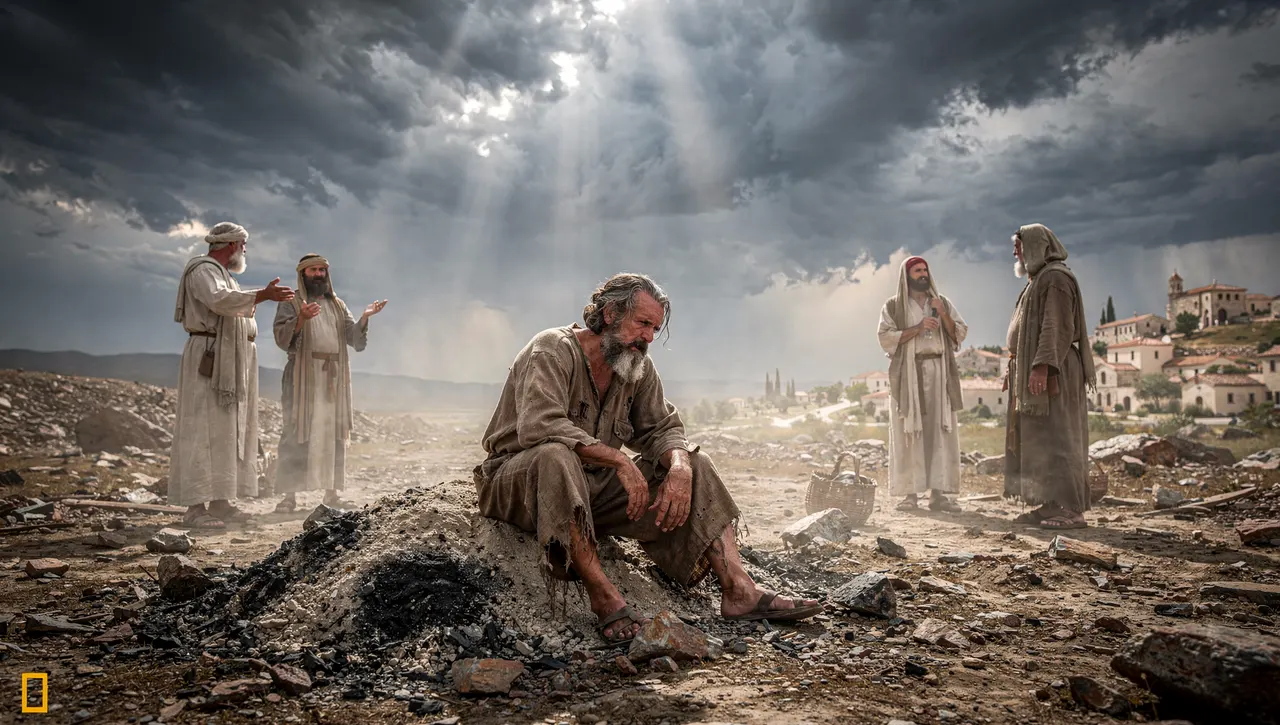
The book begins with a prologue in which God allows Satan to test Job's faith by taking away his wealth, his children, and his health. Despite his suffering, Job remains steadfast in his faith and refuses to curse God. The book then includes a series of dialogues between Job and his friends, who try to explain his suffering and persuade him to confess his sins.
Key figures in the book of Job include Job, Satan, and Job's friends, including Eliphaz, Bildad, and Zophar. The book also includes a number of speeches by God, in which he defends his actions and challenges Job's understanding of his suffering. The book ends with the restoration of Job's fortunes and the reconciliation between Job and his friends.
Job 1
Job is introduced as a righteous man who is blessed with wealth and family.
Job 2
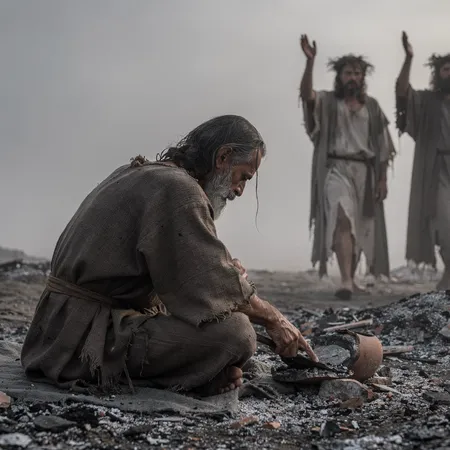
Job loses his wealth and children, leading him to question why God would allow such suffering.

Job 3
Job curses the day he was born and expresses his anger at God.
Job 4
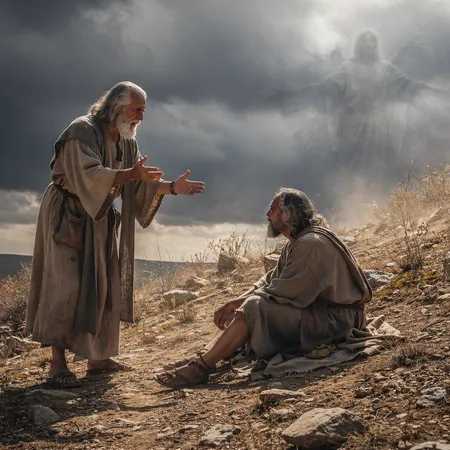
Eliphaz, one of Job's friends, arrives and accuses him of sinning and deserving his suffering.

Job 5
Bildad, another of Job's friends, speaks, agreeing with Eliphaz and accusing Job of sinning.

Job 6
Job responds to Bildad, defending himself and questioning why God would allow suffering.

Job 7
Job responds to Bildad, defending himself and questioning why God would allow suffering.

Job 8
Bildad responds, criticizing Job and insisting that God punishes the wicked.

Job 9
Job responds to Bildad, challenging the notion that God always punishes the wicked and expressing his longing for a fair trial before God.
Job 10
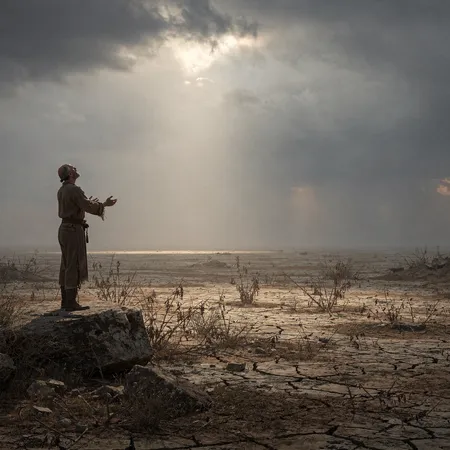
Job responds to Bildad, challenging the notion that God always punishes the wicked and expressing his longing for a fair trial before God.
Job 11
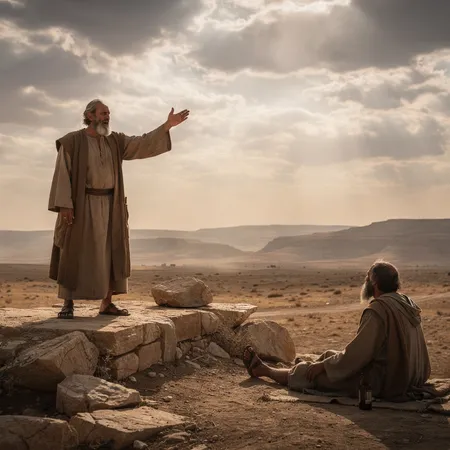
Zophar, the third of Job's friends, speaks, accusing Job of being wicked and insisting that God always punishes the wicked.

Job 12
Zophar, the third of Job's friends, speaks, accusing Job of being wicked and insisting that God always punishes the wicked.

Job 13
Zophar, the third of Job's friends, speaks, accusing Job of being wicked and insisting that God always punishes the wicked.

Job 14
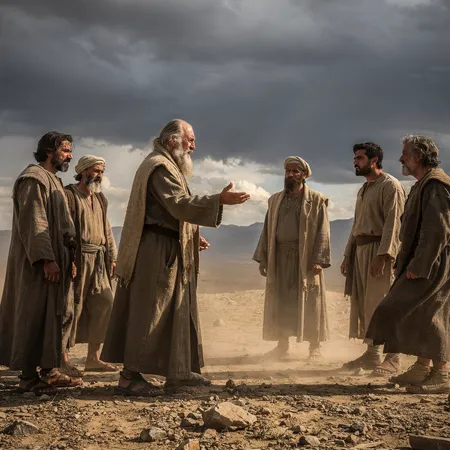
Zophar, the third of Job's friends, speaks, accusing Job of being wicked and insisting that God always punishes the wicked.
Job 15
Job responds to Zophar, defending himself and expressing his frustration at his suffering.
Job 16
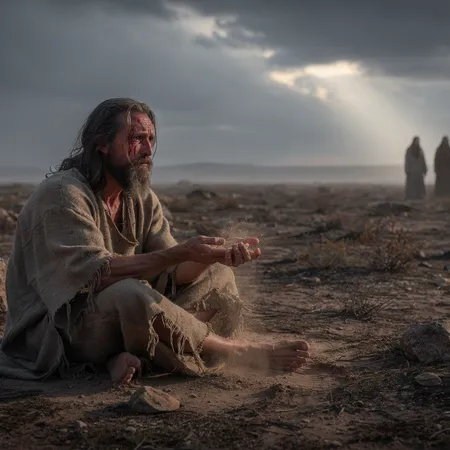
Job responds to Zophar, defending himself and expressing his frustration at his suffering.
Job 17
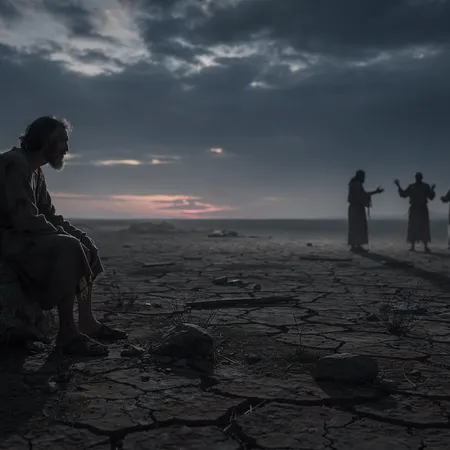
Job responds to Zophar, defending himself and expressing his frustration at his suffering.

Job 18
Job responds to Zophar, defending himself and expressing his frustration at his suffering.

Job 19
Job responds to Zophar, defending himself and expressing his frustration at his suffering.

Job 20
Job responds to Zophar, defending himself and expressing his frustration at his suffering.
Job 21
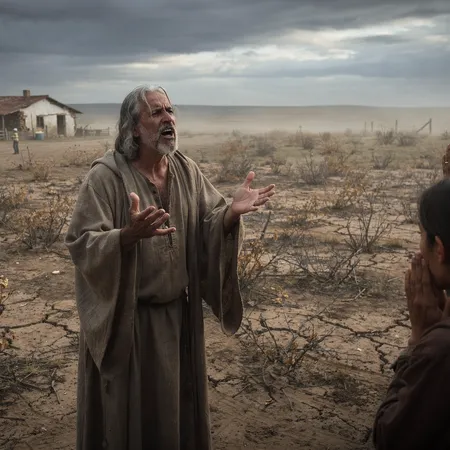
Job responds to Zophar, defending himself and expressing his frustration at his suffering.

Job 22
Eliphaz responds, accusing Job of being prideful and insisting that God always punishes the wicked.

Job 23
Eliphaz responds, accusing Job of being prideful and insisting that God always punishes the wicked.
Job 24
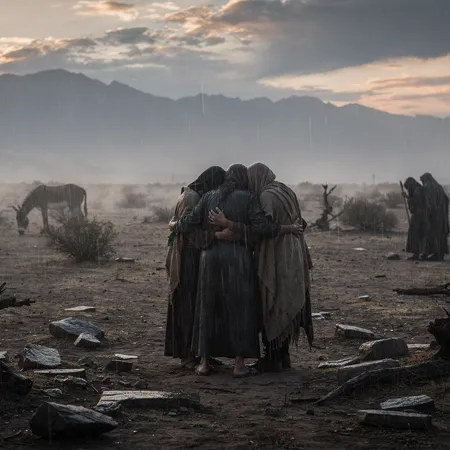
Eliphaz responds, accusing Job of being prideful and insisting that God always punishes the wicked.

Job 25
Eliphaz responds, accusing Job of being prideful and insisting that God always punishes the wicked.

Job 26
Eliphaz responds, accusing Job of being prideful and insisting that God always punishes the wicked.

Job 27
Job responds to Eliphaz, defending himself and expressing his belief in a just God.

Job 28
Job responds to Eliphaz, defending himself and expressing his belief in a just God.

Job 29
Job responds to Eliphaz, defending himself and expressing his belief in a just God.

Job 30
Job responds to Eliphaz, defending himself and expressing his belief in a just God.

Job 31
Job responds to Eliphaz, defending himself and expressing his belief in a just God.
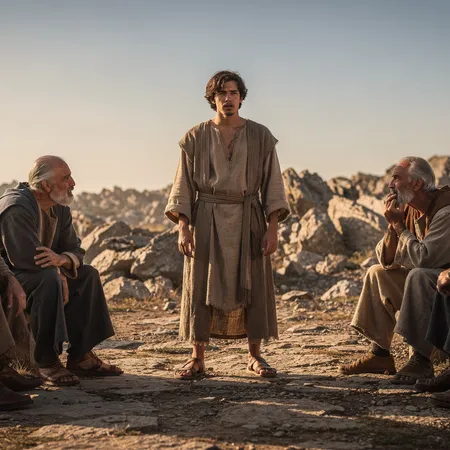
Job 32
Elihu speaks, criticizing Job's friends and asserting that God is just and wise.
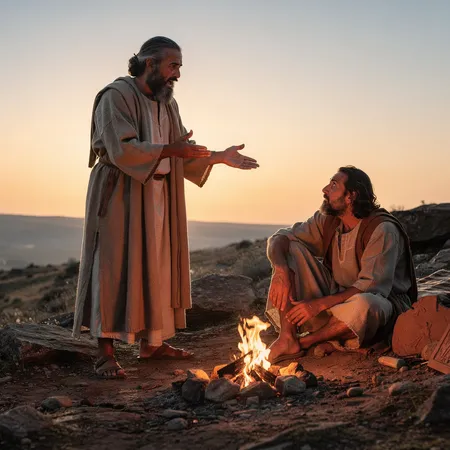
Job 33
Elihu speaks, criticizing Job's friends and asserting that God is just and wise.
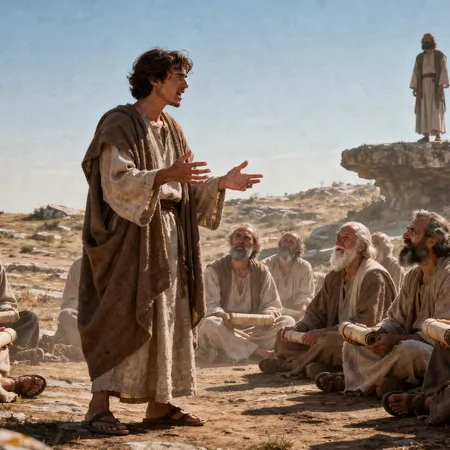
Job 34
Elihu speaks, criticizing Job's friends and asserting that God is just and wise.

Job 35
Elihu speaks, criticizing Job's friends and asserting that God is just and wise.

Job 36
Elihu speaks, criticizing Job's friends and asserting that God is just and wise.

Job 37
Elihu speaks, criticizing Job's friends and asserting that God is just and wise.

Job 38
God speaks to Job, challenging him to explain the workings of the universe and affirming his power and wisdom.

Job 39
God speaks to Job, challenging him to explain the workings of the universe and affirming his power and wisdom.

Job 40
God speaks to Job, challenging him to explain the workings of the universe and affirming his power and wisdom.

Job 41
God speaks to Job, challenging him to explain the workings of the universe and affirming his power and wisdom.
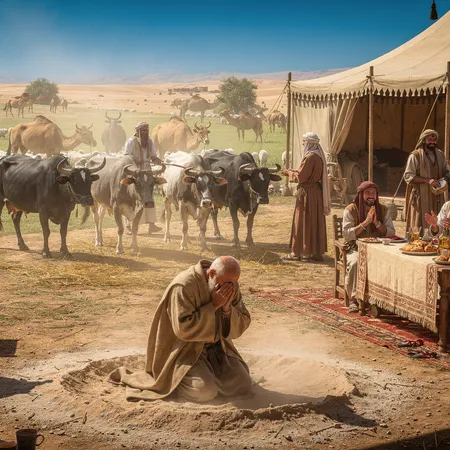
Job 42
Job repents and acknowledges God's power and wisdom. God blesses Job with a restored family and wealth.
The free app remembers where you stopped and keeps your reading streak, so the next chapter is one tap away.


Scan with your phone camera to get the app
Free on iPhone and Android