Ecclesiastes
Meaning of Life
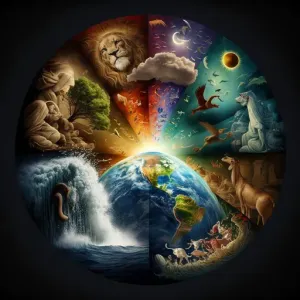
The Book of Ecclesiastes is a book of the Hebrew Bible and the Christian Old Testament. It is a philosophical and reflective work that explores the meaning and purpose of life.
12 chapters
Read the book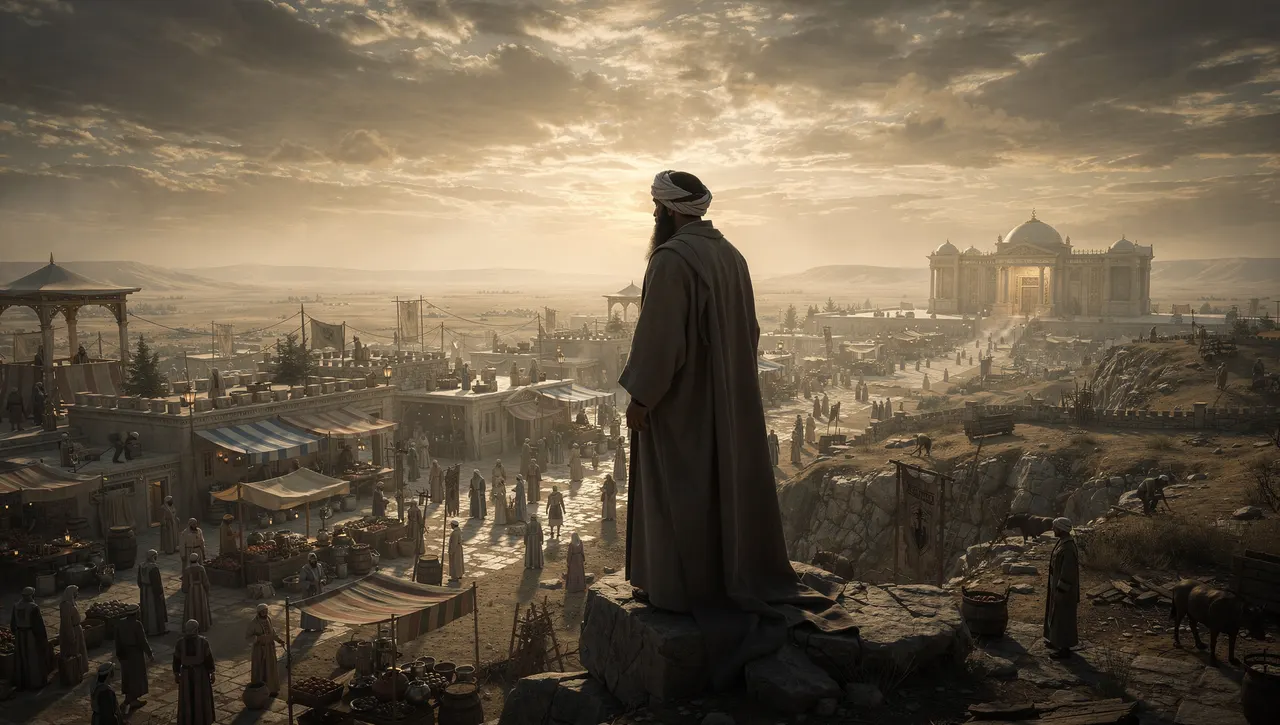
Commentary
The Book of Ecclesiastes is attributed to King Solomon, and it is written in the form of a series of reflections on the vanity and futility of human endeavors. The book describes the many things that people pursue in life, such as wealth, pleasure, and power, and it concludes that these things are fleeting and ultimately unsatisfying. The book concludes with a call to fear God and keep his commandments, as this is the only way to find true happiness and meaning in life.
Key figures in the book of Ecclesiastes include Solomon, who is the author and narrator of the book. The book also includes references to various other individuals, such as the wise man, the fool, and the righteous, who are held up as examples of different ways of living.
Chapters

Ecclesiastes 1
Vanity of Life
The author reflects on the vanity of life and the futility of striving for success, wealth, and pleasure.

Ecclesiastes 2
The Search for Satisfaction
The author describes his search for satisfaction through wisdom, pleasure, and wealth, but finds it all to be meaningless.

Ecclesiastes 3
The Cycles of Life
The author reflects on the cycles of life, including birth, death, and the changing of seasons, and how all things are under the control of God.

Ecclesiastes 4
Inequality and Oppression
The author reflects on the inequalities and oppressions of life, such as the suffering of the poor, and how it is a result of the pursuit of wealth and power.
Ecclesiastes 5
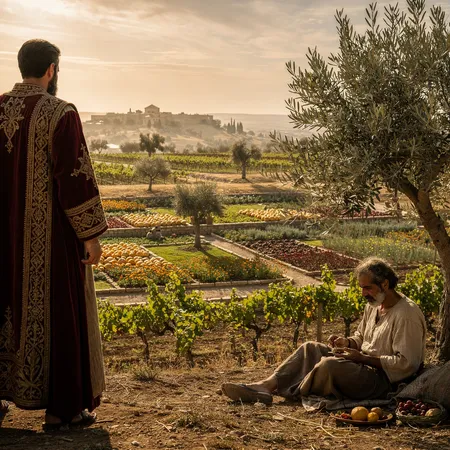
The Futility of Wealth
The author reflects on the futility of wealth, stating that it can bring trouble, oppression, and cannot prevent death.

Ecclesiastes 6
The Unfulfilled Longing of Man
The author reflects on the unfulfilled longing of man, stating that wealth cannot bring happiness, and that a man without children is better off than a man with many children but no enjoyment of life.
Ecclesiastes 7
The Importance of Wisdom
The author reflects on the importance of wisdom, stating that it is better than wealth and that a man who is wise can handle difficult situations.
Ecclesiastes 8
The Injustice of Life
The author reflects on the injustice of life, stating that the wicked often prosper and the righteous often suffer.

Ecclesiastes 9
The Impermanence of Life
The author reflects on the impermanence of life, stating that death is inevitable and that life is uncertain.

Ecclesiastes 10
The Folly of Folly
The author reflects on the folly of folly, stating that a man who is foolish will bring ruin upon himself and others.

Ecclesiastes 11
The Importance of Enjoying Life
The author reflects on the importance of enjoying life, stating that one should enjoy the good things of life while they can, for death is inevitable.

Ecclesiastes 12
The End of Life
The author reflects on the end of life, stating that the body will return to dust and that the spirit will return to God who gave it. He exhorts the reader to remember God in their youth, before old age and death come.
Keep reading in the BiblePics app
The free app remembers where you stopped and keeps your reading streak, so the next chapter is one tap away.