

Genesis 10:14
“And Pathrusim, and Casluhim, (out of whom came Philistim,) and Caphtorim.”
Genesis 10:14 in 7 translations
- KJVKing James Version
- And Pathrusim, and Casluhim, (out of whom came Philistim,) and Caphtorim.
- DRADouay–Rheims
- And Phetrusim, and Chasluim; of whom came forth the Philistines, and the Capthorim.
- ASVAmerican Standard Version
- and Pathrusim, and Casluhim (whence went forth the Philistines), and Caphtorim.
- DARBYDarby
- and the Pathrusim, and the Casluhim, out of whom came the Philistines, and the Caphtorim.
- WEBThe World English Bible
- Pathrusim, Casluhim (which the Philistines descended from), and Caphtorim.
- YLTYoung's Literal Translation
- and the Pathrusim, and the Casluhim, (whence have come out Philistim,) and the Caphtorim.
- BPVBiblePics Version
- and Pathrusim, Casluhim (out of whom came Philistim), and Caphtorim.
Context: Genesis 10
12And Resen between Nineveh and Calah: the same is a great city.
13And Mizraim begat Ludim, and Anamim, and Lehabim, and Naphtuhim,
14And Pathrusim, and Casluhim, (out of whom came Philistim,) and Caphtorim.
15And Canaan begat Sidon his firstborn, and Heth,
16And the Jebusite, and the Amorite, and the Girgasite,
About Genesis 10: The Nations of the Earth
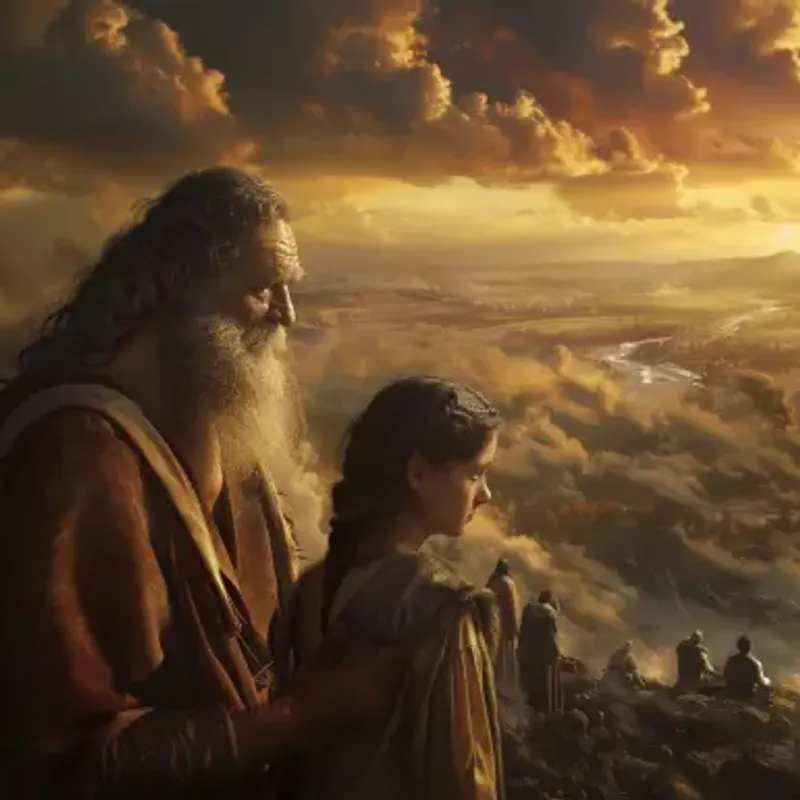
This chapter lists the descendants of the three sons of Noah: Shem, Ham, and Japheth. It also describes the different nations and territories that were settled by their descendants.
Commentary
Genesis 10 is the tenth chapter of the Book of Genesis in the Hebrew Bible. It is the first of five chapters in the Table of Nations, which describes the descendants of Noah and their geographical locations. The chapter begins with a list of the sons of Noah and their descendants, who are divided into seventy nations. The chapter then goes on to describe the geographical locations of each of these nations, with particular emphasis on the descendants of Shem, Ham, and Japheth.