

Mark 12:40
“Which devour widows' houses, and for a pretence make long prayers: these shall receive greater damnation.”
Mark 12:40 in 7 translations
- KJVKing James Version
- Which devour widows' houses, and for a pretence make long prayers: these shall receive greater damnation.
- DRADouay–Rheims
- Who devour the houses of widows under the pretence of long prayer: these shall receive greater judgment.
- ASVAmerican Standard Version
- they that devour widows houses, and for a pretence make long prayers; these shall receive greater condemnation.
- DARBYDarby
- who devour the houses of widows, and as a pretext make long prayers. These shall receive a severer judgment.
- WEBThe World English Bible
- those who devour widows' houses, and for a pretense make long prayers. These will receive greater condemnation.
- YLTYoung's Literal Translation
- who are devouring the widows' houses, and for a pretence are making long prayers; these shall receive more abundant judgment.'
- BPVBiblePics Version
- They devour widows' houses and for a show make lengthy prayers. These men will receive greater judgment."
Context: Mark 12
38And he said unto them in his doctrine, Beware of the scribes, which love to go in long clothing, and love salutations in the marketplaces,
39And the chief seats in the synagogues, and the uppermost rooms at feasts:
40Which devour widows' houses, and for a pretence make long prayers: these shall receive greater damnation.
41And Jesus sat over against the treasury, and beheld how the people cast money into the treasury: and many that were rich cast in much.
42And there came a certain poor widow, and she threw in two mites, which make a farthing.
About Mark 12: Parable of the Wicked Tenants
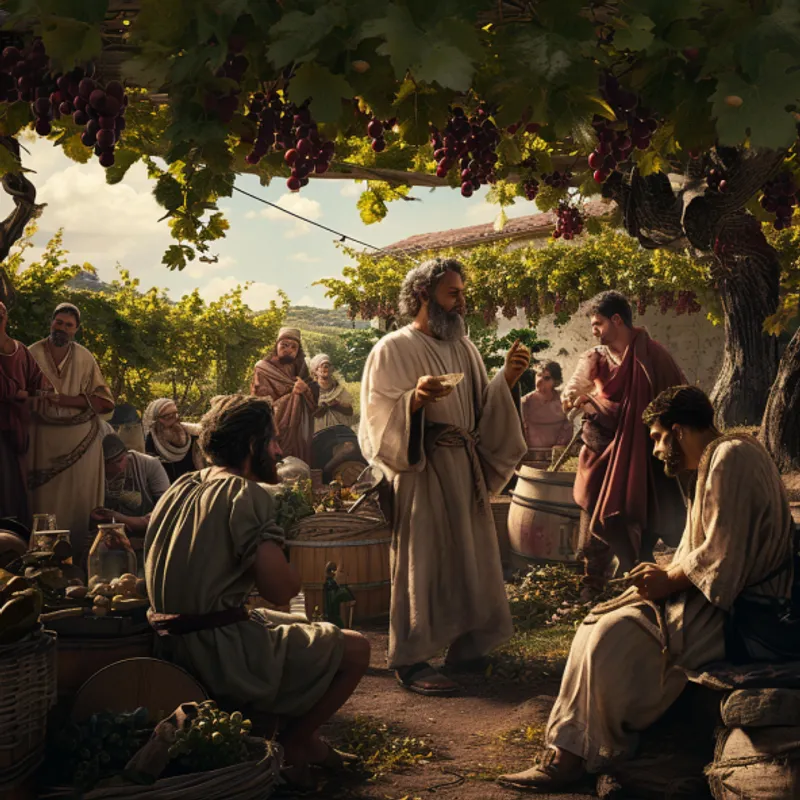
Jesus teaches about the greatest commandment and the resurrection.
Commentary
Mark 12 is a chapter that focuses on Jesus' teachings and interactions with the religious leaders of the day. In this chapter, Jesus is asked a series of questions by the religious leaders in an attempt to trap him. Jesus responds to each question with wisdom and insight, often turning the question back on the questioner. He speaks of the importance of loving God and loving one's neighbor, and of the importance of paying taxes to Caesar. He also speaks of the resurrection of the dead, and of the greatest commandment.