


1
The Gospel of God
Romans 1
Paul introduces himself, and explains that the Good News is about God's plan to save all people through faith in Jesus Christ.
Read chapter 1

The Epistle to the Romans, also known as the Letter to the Romans, is a book of the New Testament of the Bible. It is a written letter from the apostle Paul to the Christian community in Rome.The Letter to the Romans covers a wide range of subjects, including the nature of faith, the relationship between Jews and Gentiles, and the role of God's grace in salvation. The letter also includes a number of teachings about Christian ethics and the importance of living a life that is pleasing to God.Key figures in the Letter to the Romans include the apostle Paul, as well as the Christian community in Rome, who are the recipients of the letter. The letter also mentions various other individuals, such as the Jewish people and the Gentiles, who are the subjects of the apostle's teachings and exhortations. The letter also includes a number of references to God and his actions, as well as expressions of trust and reliance on him.
Romans 1
Paul introduces himself, and explains that the Good News is about God's plan to save all people through faith in Jesus Christ.
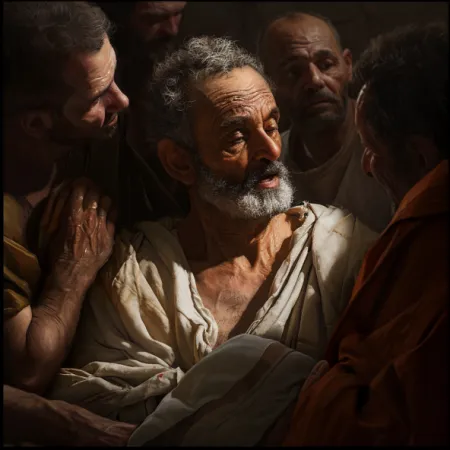
Romans 2
Paul teaches that all people are guilty of sin and that God's judgment is based on their actions.

Romans 3
Paul teaches that all people are sinful and that they need salvation through faith in Jesus.

Romans 4
Paul teaches that Abraham was justified by faith, and that this is the same way that everyone can be justified.

Romans 5
Paul teaches that through faith in Jesus, people can have peace with God and eternal life.

Romans 6
Paul teaches that through faith in Jesus, people can overcome sin and live a new life.
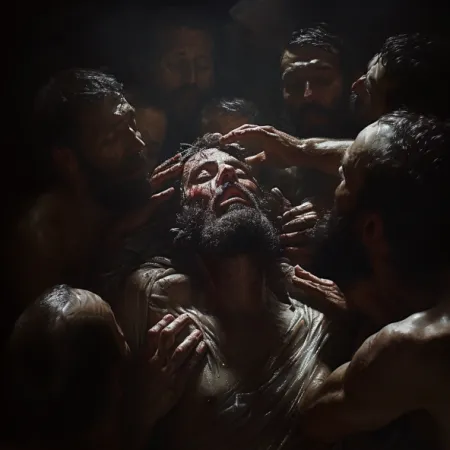
Romans 7
Paul teaches that people still struggle with sin even after being saved, but that through the help of the Holy Spirit, they can overcome it.
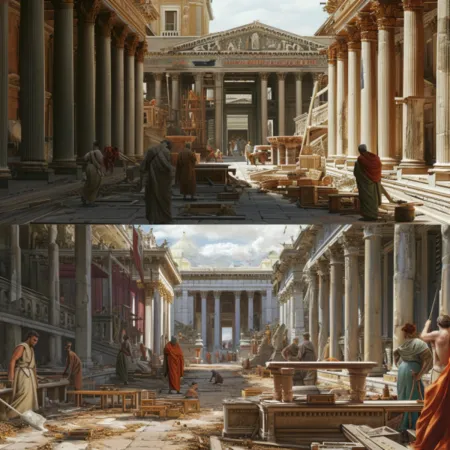
Romans 8
Paul teaches that people who are in Christ Jesus are no longer under condemnation, and that the Holy Spirit helps them to live a life pleasing to God.
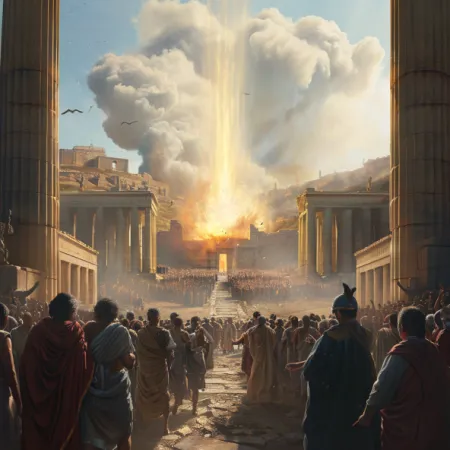
Romans 9
Paul teaches that God's choice of some people for salvation is based on His own purpose and grace.

Romans 10
Paul teaches that faith in Jesus is necessary for salvation, and that people can confess Jesus as Lord with their mouth.
Romans 11
Paul teaches that the rejection of some of the Israelites does not mean that God has rejected them as a whole, and that Gentiles are included in the plan of salvation.
Romans 12
Paul teaches about the importance of living a life that is dedicated to God, and about the importance of loving others as yourself.

Romans 13
Paul teaches about the importance of obeying the government and about the coming of the Lord.
Romans 14
Paul teaches about the importance of not judging others, and about the importance of living in peace with one another.
Romans 15
Paul teaches about the importance of bearing with one another, and about the importance of the unity of the body of Christ.
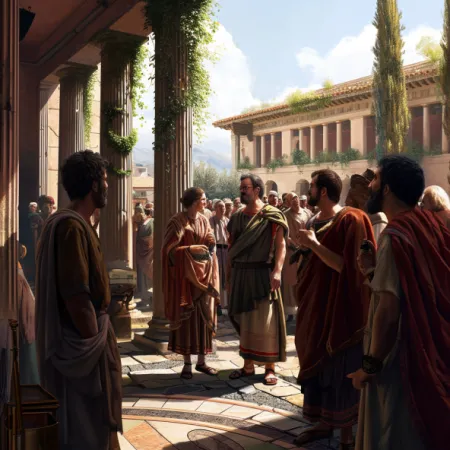
Romans 16
Paul greets some of his friends and closes the letter.
Key figures in Romans

God
Supreme Being

Israel
King

David
Prophet, King of Israel

Jesus
Prophet

Moses
Prophet, biblical judge
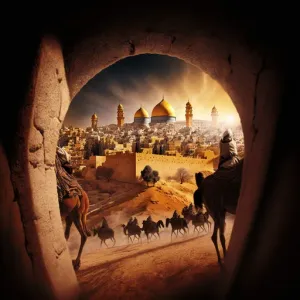
Jerusalem
Capital

Jacob
Prophet, Patriarchs

Pharaoh
Pharaoh

Abraham
Prophet, patriarch

Benjamin
Son of Jacob.

Paul
Apostle

Isaac
Prophet, patriarch

Mary
Mother of Jesus
Jesse
Father of King David
Judaea
Governor

Adam
Father of all humankind
Esaias
Prophet
Timotheus
Disciple and companion of the apostle Paul.
Achaia
Proconsul
Rome
King
Sion
Throne.
Aquila
Apostle
Gaius
Jason

Priscilla
Erastus
Apostle
Lucius
Rufus
Hermes

Junia
Apostle
Osee
Persis
Rebecca
Tertius
Tryphena
Urbane
Asyncritus
Bishop, apostle
Er

Esau
Prophet