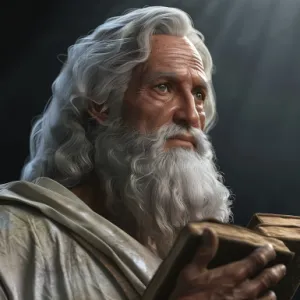
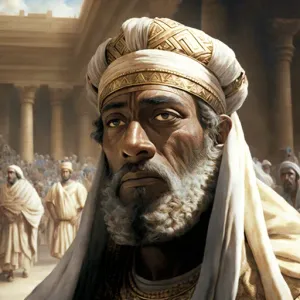
Luke
Jesus' Birth and Mission
The Gospel of Luke is one of the four gospels in the New Testament of the Bible. It is a written account of the life, teachings, and ministry of Jesus Christ.
24 chapters
Read the book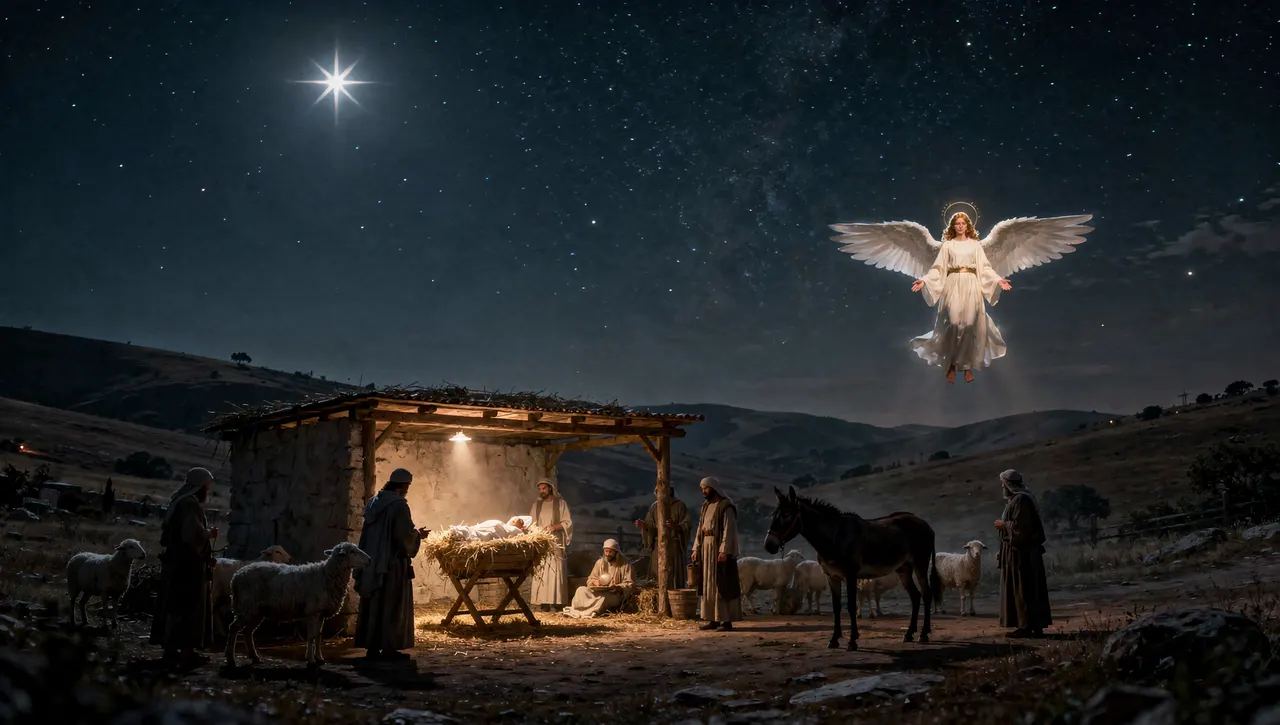
Commentary
The Gospel of Luke is traditionally attributed to the physician Luke, who was a close associate of the apostle Paul.The Gospel of Luke begins with the story of the birth of John the Baptist, and then goes on to describe the birth, childhood, and ministry of Jesus. It includes accounts of Jesus' miracles, parables, and sermons, as well as his interactions with various people, including his disciples, the Pharisees, and the Roman authorities. The Gospel also includes accounts of Jesus' death and resurrection, as well as his appearances to his disciples after his resurrection.Key figures in the Gospel of Luke include Jesus, as well as his disciples, including Peter, James, and John.
The Gospel also mentions various other individuals, such as John the Baptist, the Pharisees, and the Roman authorities, who play significant roles in the story. The Gospel also includes a number of references to God and his actions, as well as expressions of trust and reliance on him.
Chapters
Luke 1
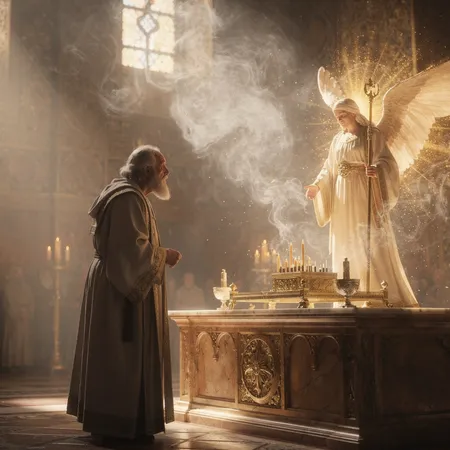
The Birth of John the Baptist Foretold
Luke writes a prologue, in which he explains that his gospel is based on the testimony of those who were eyewitnesses and servants of the word.
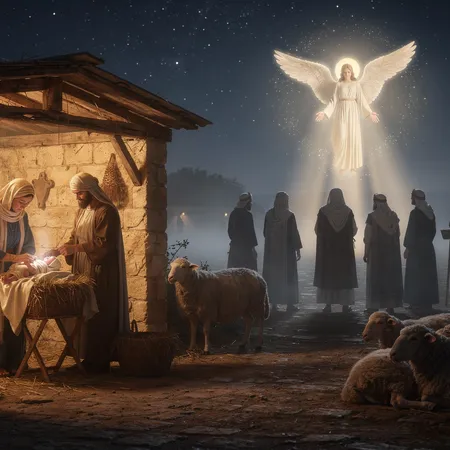
Luke 2
The Birth of Jesus
The birth of Jesus is announced to Mary and Joseph, and He is born in Bethlehem.
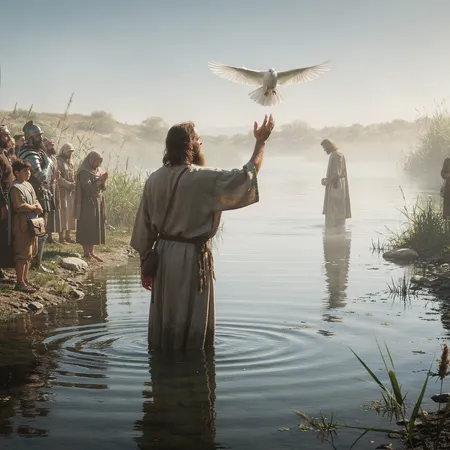
Luke 3
The Ministry of John the Baptist
John the Baptist prepares the way for Jesus, who begins His ministry with a baptism and the descent of the Holy Spirit.

Luke 4
The Temptation of Jesus
Jesus is tempted by Satan and begins His ministry in Galilee.

Luke 5
The Call of the First Disciples
Jesus calls His first disciples and performs many miracles.
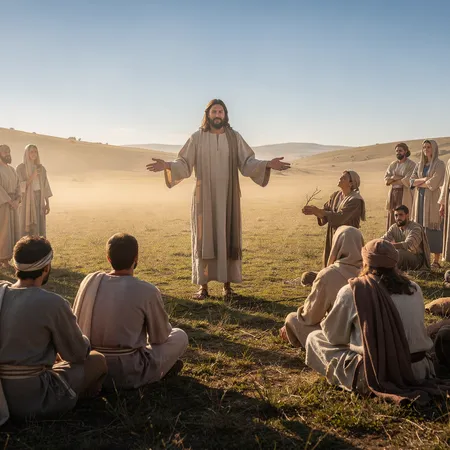
Luke 6
The Sermon on the Plain
Jesus teaches the Sermon on the Plain, including the Beatitudes.

Luke 7
The Healing of the Centurion's Servant
Jesus raises a dead man to life and forgives a sinful woman.
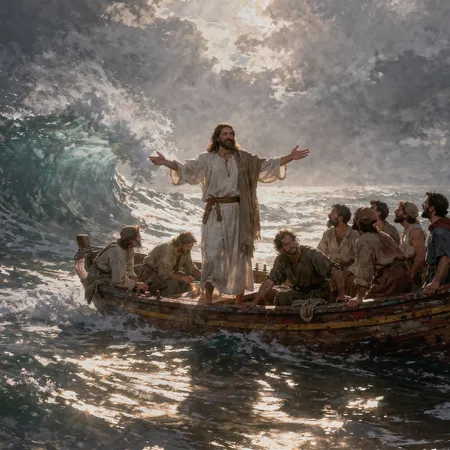
Luke 8
Jesus Calms the Storm
Jesus teaches the Parable of the Sower and performs more miracles.
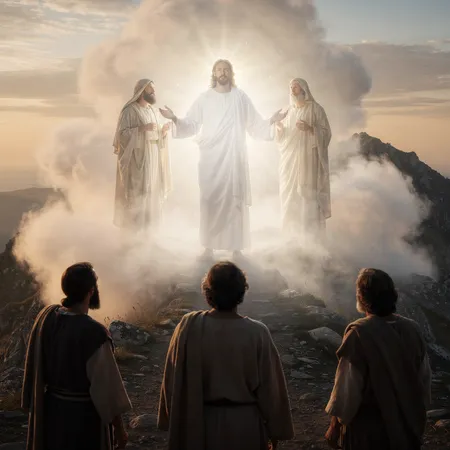
Luke 9
The Transfiguration
Jesus is transfigured before Peter, James, and John and sends out the twelve apostles.
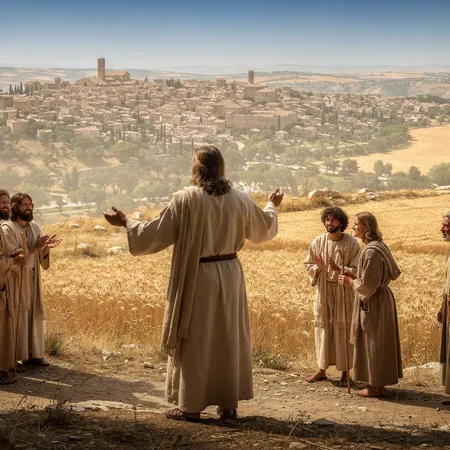
Luke 10
The Sending of the Seventy-Two
Jesus teaches the Parable of the Good Samaritan and sends out the seventy-two.
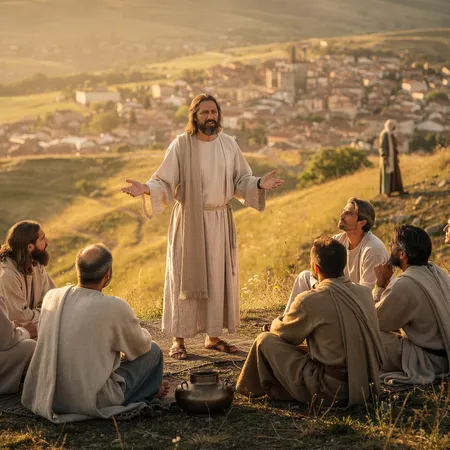
Luke 11
Jesus Teaches on Prayer
Jesus teaches about prayer and performs more miracles.
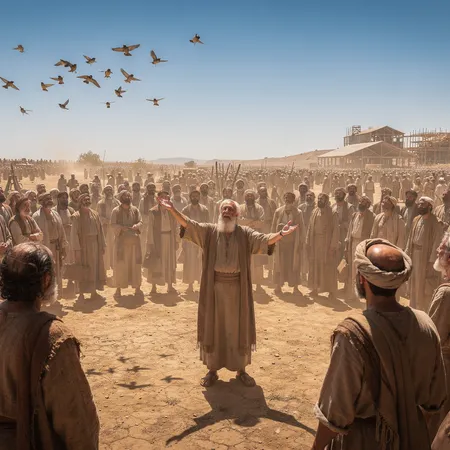
Luke 12
The Parable of the Rich Fool
Jesus teaches about the coming of the kingdom of God and about being ready for His return.

Luke 13
The Healing of the Woman on the Sabbath
Jesus teaches about repentance and performs more miracles.

Luke 14
The Parable of the Great Banquet
Jesus teaches about humility and the cost of following Him.

Luke 15
The Parable of the Lost Sheep
Jesus teaches about the Parable of the Lost Sheep, the Lost Coin, and the Prodigal Son.

Luke 16
The Parable of the Unjust Steward
Jesus teaches about the Parable of the Shrewd Manager and the Rich Man and Lazarus.
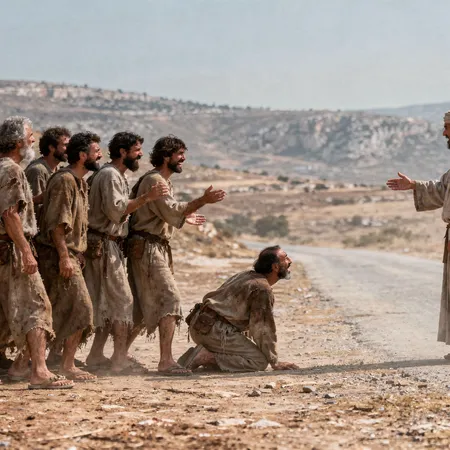
Luke 17
The Healing of the Ten Lepers
Jesus teaches about forgiveness, faith, and the coming of the kingdom of God.
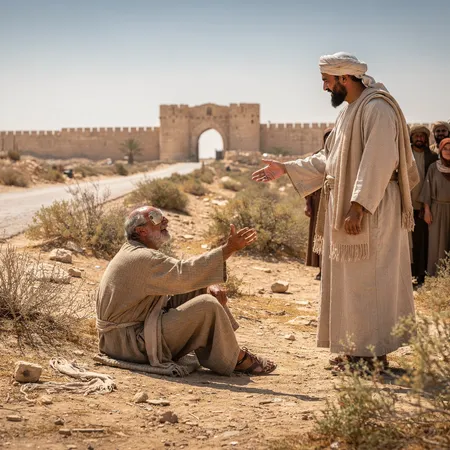
Luke 18
The Parable of the Persistent Widow
Jesus teaches about humility and the Parable of the Pharisee and the Tax Collector.
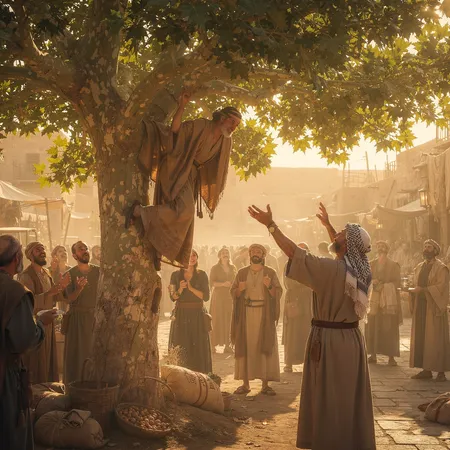
Luke 19
The Parable of the Minas
Jesus enters Jerusalem as a king, He is welcomed by the people, He curses the fig tree and He teaches about the Parable of the Ten Minas.

Luke 20
The Healing of the Blind Man at Bethsaida
Jesus is questioned by the religious leaders, teaches about the resurrection and the importance of paying taxes to Caesar.
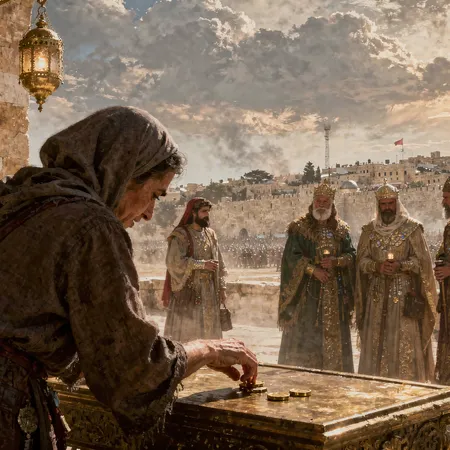
Luke 21
The Prediction of the Destruction of the Temple
Jesus predicts the destruction of the temple and the end of the world. He advises to be ready for the coming of the Son of Man.
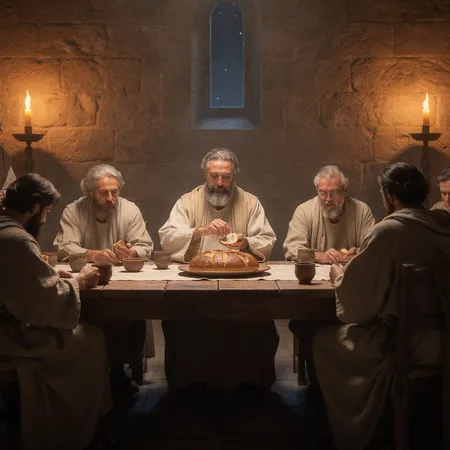
Luke 22
The Plot to Kill Jesus
Jesus celebrates the Last Supper with His disciples, He is betrayed by Judas, arrested, and brought to trial. He is mocked and beaten by the Roman soldiers, He is convicted by the religious leaders and sentenced to death.
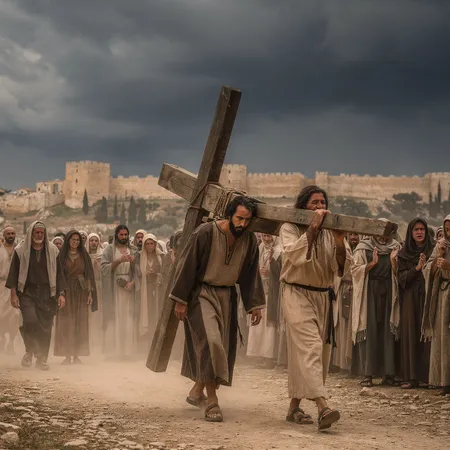
Luke 23
Jesus before Pilate
Jesus is crucified, He dies and He is buried in a tomb. On the third day He rises from the dead. He appeared to many people, including His disciples, proving that He is truly the Son of God.
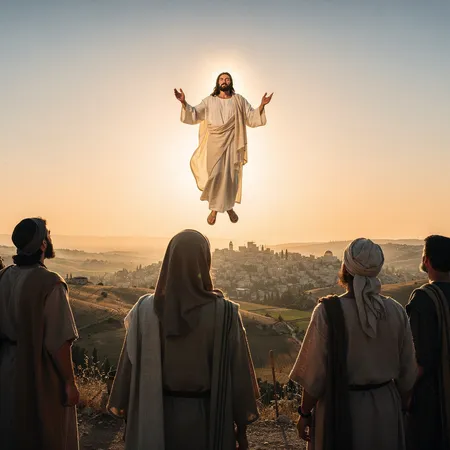
Luke 24
The Resurrection of Jesus
Jesus appears to His disciples and teaches them about the scripture concerning Himself. He commissions them to spread the Good News to all nations. He ascends to heaven.
Keep reading in the BiblePics app
The free app remembers where you stopped and keeps your reading streak, so the next chapter is one tap away.