53 verses5 min
David's Charge to Solomon
1 Kings 1
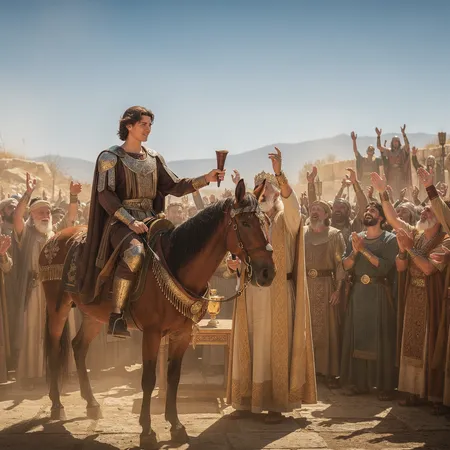
David charges Solomon, his son, to be faithful to God as he becomes king.
The Book of 1 Kings is the third book of the Books of the Kings in the Hebrew Bible and the Christian Old Testament. It tells the story of the reigns of the kings of Israel and Judah, beginning with the reign of Solomon, the son of David.
22 chapters
Read the book
The book begins with the story of Solomon's wealth and wisdom, and it includes the story of the construction of the Temple in Jerusalem. However, Solomon's later years are marked by corruption and disobedience to God, and the kingdom begins to decline. After Solomon's death, the kingdom is divided into two separate kingdoms: Israel in the north and Judah in the south.
The book also includes the stories of the kings of Israel and Judah, including the good kings who followed God's commands and the bad kings who turned away from God. Key figures in the book of 1 Kings include Solomon, Rehoboam, Ahab, Elijah, and Elisha. The book also mentions various other individuals, such as the prophets and the priests, who served as advisers and leaders for the kings.
1 Kings 1
David charges Solomon, his son, to be faithful to God as he becomes king.

1 Kings 2
David reflects on his life and makes final arrangements before his death.

1 Kings 3
Solomon becomes known for his wisdom and builds a prosperous and peaceful kingdom.
1 Kings 4
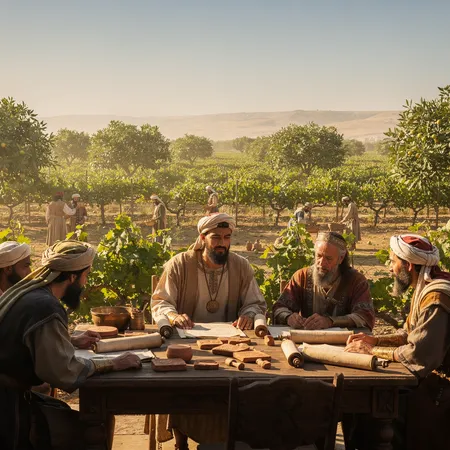
Solomon sets up a wise and efficient system of administration, benefiting Israel.
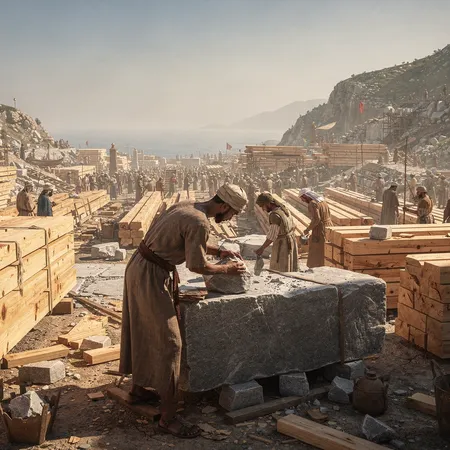
1 Kings 5
Solomon builds a temple for God, a palace for himself, and many other structures.
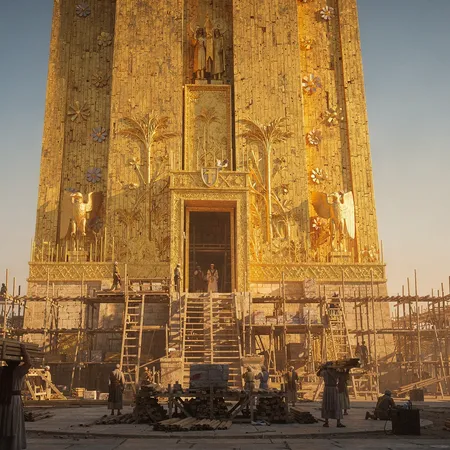
1 Kings 6
The construction of the temple in Jerusalem is described in detail.
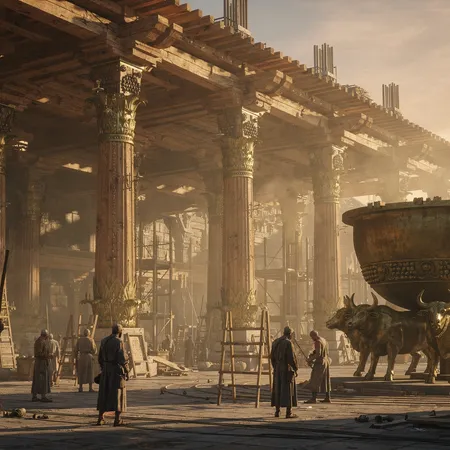
1 Kings 7
Solomon builds many other structures, including a palace, throne room, and storage buildings.
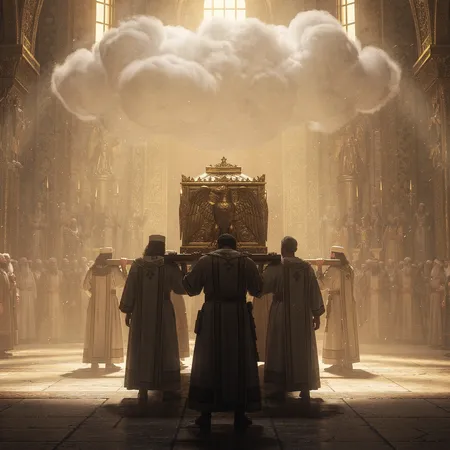
1 Kings 8
The Ark of the Covenant is brought into the temple and dedicated with a great ceremony.
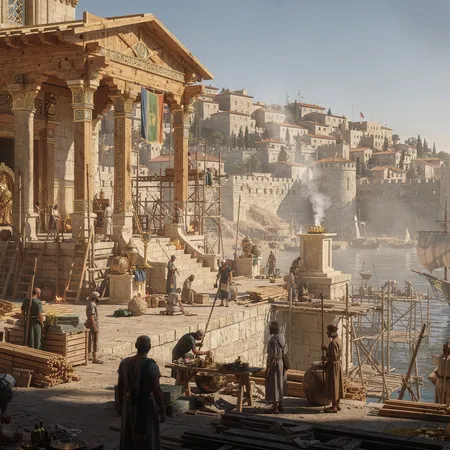
1 Kings 9
Despite his initial success, Solomon becomes unfaithful to God and his kingdom begins to decline.
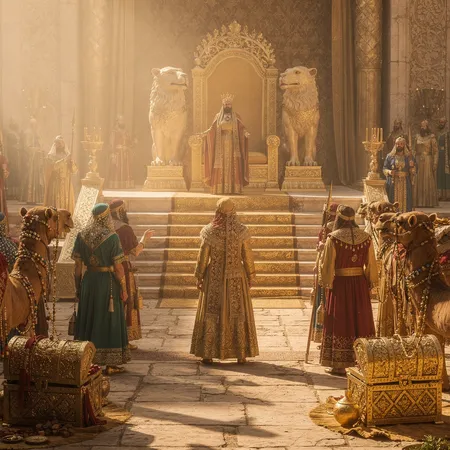
1 Kings 10
The Queen of Sheba visits Solomon and is impressed by his wisdom and wealth.
1 Kings 11
Solomon becomes increasingly idolatrous, leading to division in the kingdom after his death.
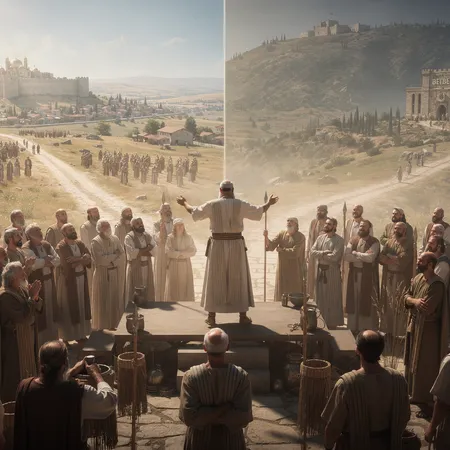
1 Kings 12
Rehoboam, Solomon's son, refuses to heed the counsel of the older leaders and instead makes demands of the people, leading to a division in the kingdom.
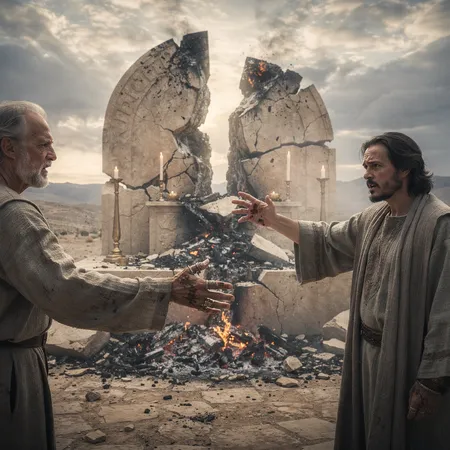
1 Kings 13
A man of God from Judah confronts Jeroboam, the northern king, and pronounces judgment on him.
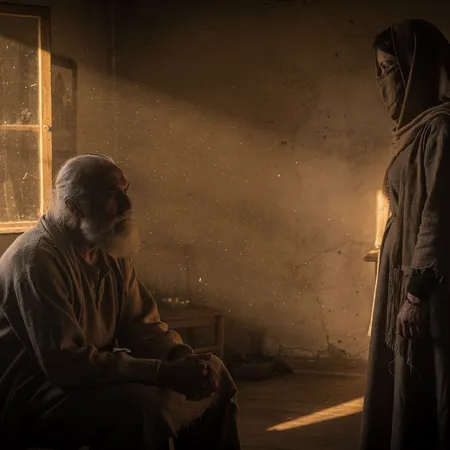
1 Kings 14
Ahijah the prophet prophesies to Jeroboam's wife about the future of the kingdom.
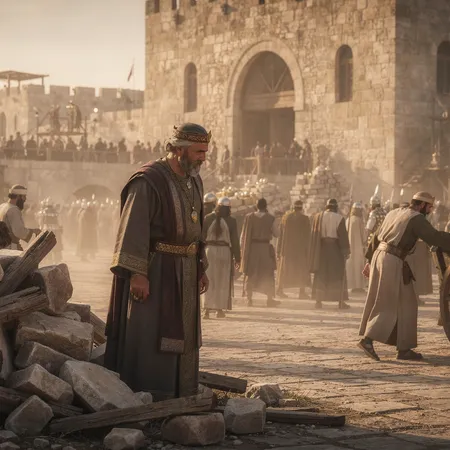
1 Kings 15
Abijam becomes king of Judah and continues the sins of his father.
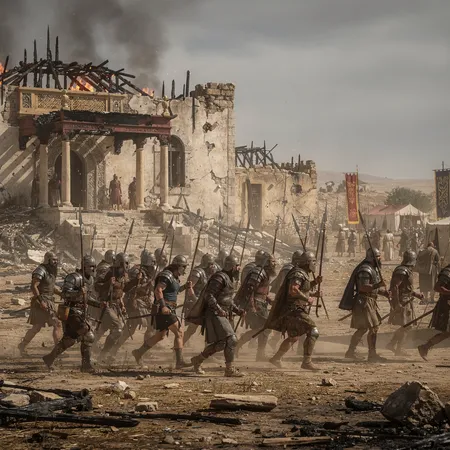
1 Kings 16
Baasha becomes king of Israel and continues in the sins of Jeroboam.
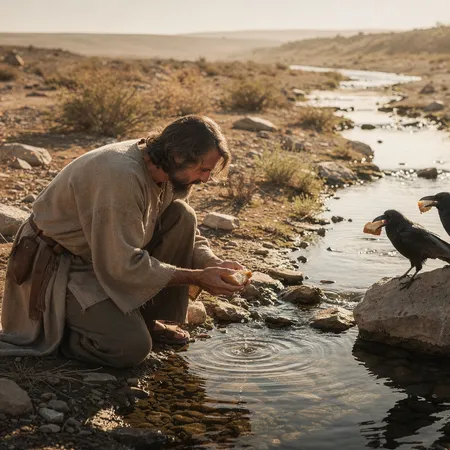
1 Kings 17
Elijah is sustained by God during a famine and performs miracles, including raising a boy from the dead.
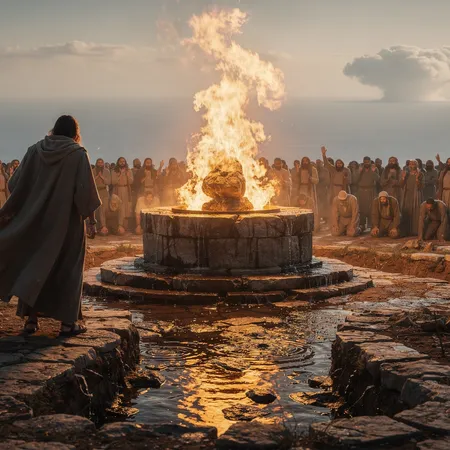
1 Kings 18
Elijah confronts Ahab and the prophets of Baal in a dramatic showdown on Mount Carmel.

1 Kings 19
Elijah flees from Jezebel after she threatens his life.
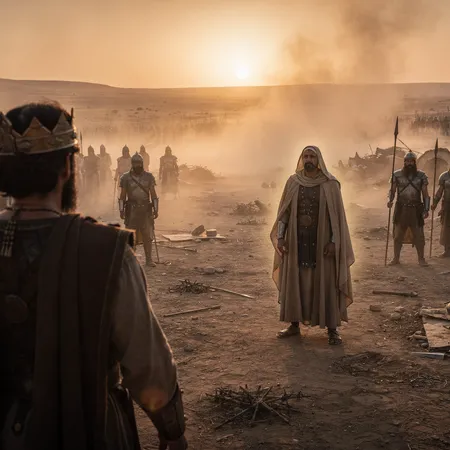
1 Kings 20
Ahab continues his idolatry and goes to war against Ben-hadad, the king of Syria.
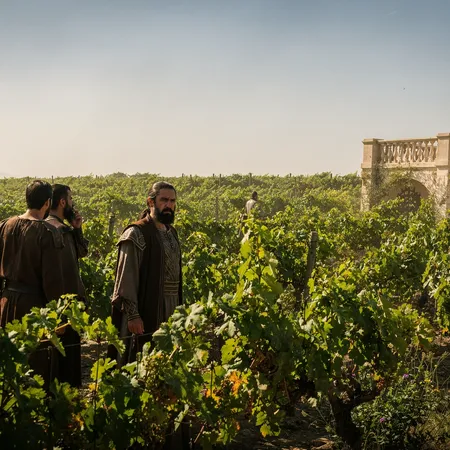
1 Kings 21
Ahab wants Naboth's vineyard and Jezebel arranges for him to be falsely accused and executed.

1 Kings 22
Ahab and Jehoshaphat, the king of Judah, join forces against Syria, but Ahab is killed in the battle.
The free app remembers where you stopped and keeps your reading streak, so the next chapter is one tap away.


Scan with your phone camera to get the app
Free on iPhone and Android
Key figures in 1 Kings

God
Supreme Being
Israel
King
David
Prophet, King of Israel
Moses
Prophet, biblical judge
Judah
Tribal leader
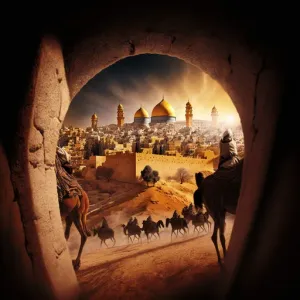
Jerusalem
Capital

Egypt
Pharaoh

Mark
Gospel writer

Dan
Judge
Jacob
Prophet, Patriarchs

Levi
Priest

Solomon
Prophet, King of Israel
Pharaoh
Pharaoh
Abraham
Prophet, patriarch

Joseph
Prophet, Vizier
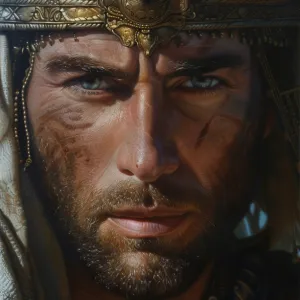
Joshua
Prophet
Jordan
Baptist
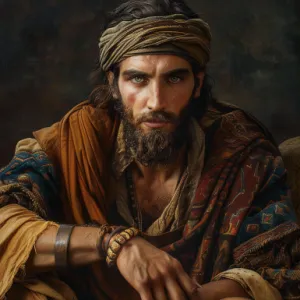
Ephraim
Tribe Leader

Benjamin
Son of Jacob.
Zion
No official position held by the figure Zion.
Syria
Ruler

Manasseh son of Jacob
Joab
Commander of David's army
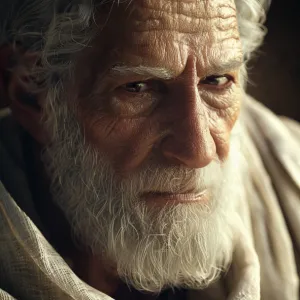
Isaac
Prophet, patriarch
Ammon
Servant
Samaria
King of Israel

Jonathan
Prince
Gilead
Judge
Absalom
King
Edom
Chief of Edom.
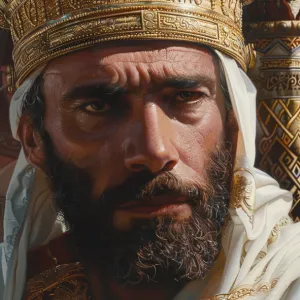
Jehoshaphat
King of Judah
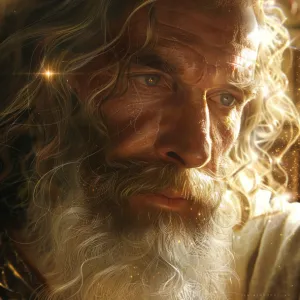
Elisha
Prophet
Hebron
City
Galilee
Region
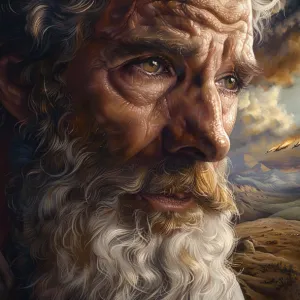
Elijah
Prophet
Bethel
priest
Midian
Judge

Abner
Commander
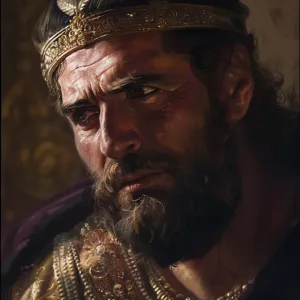
Zedekiah
King of Judah
Bashan
King of Bashan
Damascus
Governor of Damascus
Josiah
King of Judah
Zadok
High Priest of Israel
Naphtali
Tribal leader
Azariah
High Priest
Jezreel
The position held by Jezreel was "a city in Israel."
Joash
King
Nathan
Prophet
Jesse
Father of King David
Asher
Tribal leader.
Issachar
Tribal leader.
Benaiah
Commander of King David's bodyguard
Sheba
Queen
Shemaiah
Prophet
Shilo
Religious Leader
Hanani
Messenger
Ahaziah
King of Judah
Ramah
Prophet.
Carmel
Prophet.
Shiloh
Leader.
Amon
King
Zidon
King
Uriah
High Priest of Israel
Adonijah
Rebel leader.
Zeruiah
Sister of Abishai.
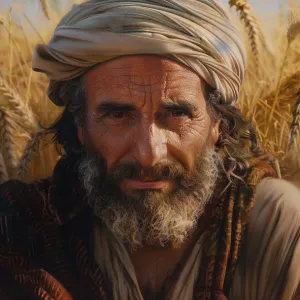
Boaz
Kinsman redeemer
Hazael
King
Hiram
King of Tyre.

Jezebel
Queen consort
Amasa
Commander of the army
Abijah
King of Judah
Ahijah
High Priest of Israel
Obadiah
Governor
Arabia
Queen
Micaiah
Prophet
Omri
King of Israel

Tirzah
Queen
Elah
King of Israel
Horeb
Mountain
Heman
Singer
Zimri
King of Israel
Iddo
Priest
Abinadab
Unknown.
Ophir
King of Ophir
Abiram
Rebel
Kidron
Judge

Bathsheba
Queen Mother
Dor
Generation.
Jachin
High Priest
Ethan
Unknown
Kishon
Judge
Naamah
Adoniram
Arza
Barley
Hesed
Rezon
Abiathar
High Priest of Israel
Ahab
King of Israel
Ahimaaz
High Priest of Israel
Baasha
King of Israel
Eli
High Priest of Israel, biblical judge
Hadadezer
King
Jehoiada
High Priest of Israel
Moab
Nadab
Rehoboam
King of Judah, King of Israel
Shishak
Pharaoh
Tibni
King of Israel