2 Kings
Fall of Israel
The Book of 2 Kings is the fourth book of the Books of the Kings in the Hebrew Bible and the Christian Old Testament. It continues the story of the kings of Israel and Judah, beginning with the reign of Ahaziah, the king of Israel, and ending with the fall of the Kingdom of Judah to the Babylonians.
25 chapters
Read the book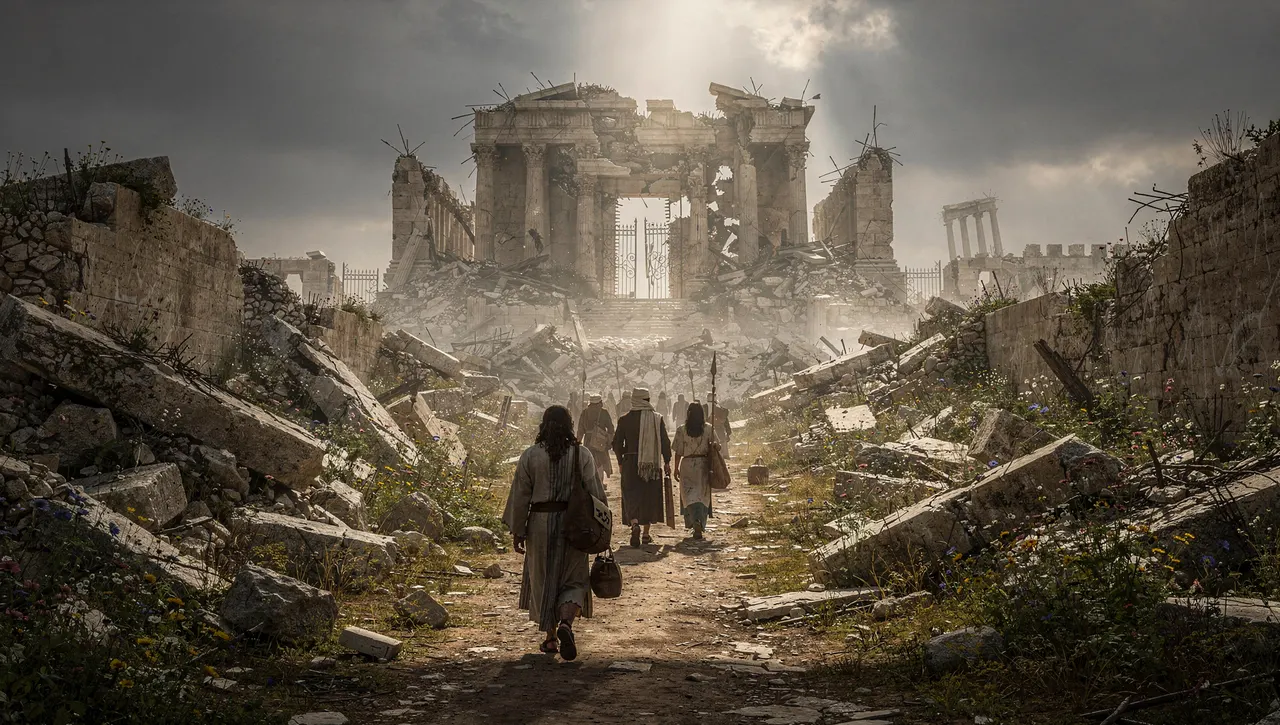
Commentary
The book includes the stories of the kings of Israel and Judah, including both the good kings who followed God's commands and the bad kings who turned away from God. It also includes the stories of the prophets Elijah and Elisha, who were sent by God to warn the people of Israel and Judah of their disobedience and to call them back to God. The book ends with the fall of the Kingdom of Judah to the Babylonians, and the exile of the Israelites to Babylon.
Key figures in the book of 2 Kings include Ahaziah, Jehoram, Jehu, Jehoahaz, Jehoiachin, and Zedekiah. The book also mentions various other individuals, such as the prophets and the priests, who served as advisers and leaders for the kings
Chapters
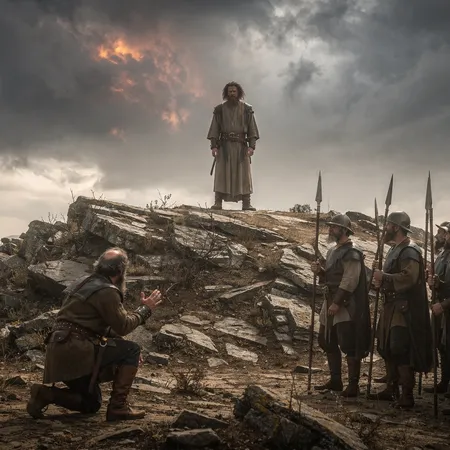
2 Kings 1
Elijah Confronts Ahaziah
Jehoshaphat becomes king of Judah and follows the Lord, leading to a time of peace and prosperity.
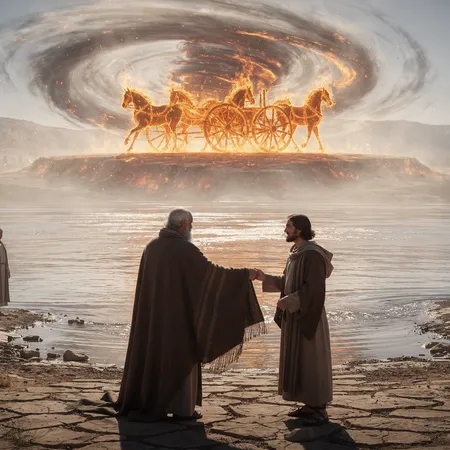
2 Kings 2
Elijah's Ascension and Elisha's Request
Elijah is taken up to heaven in a whirlwind, leaving Elisha to carry on his work as prophet.

2 Kings 3
Moab Rebels Against Israel
Moab rebels against Israel and Jehoram, the king of Israel, seeks the help of Jehoshaphat, the king of Judah.
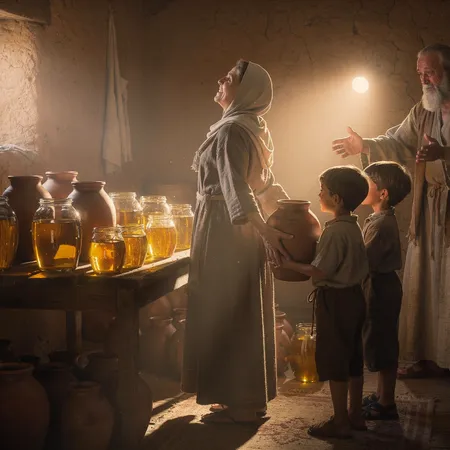
2 Kings 4
Elisha and the Widow's Oil
Elisha performs many miracles, including feeding a large crowd with a small amount of food and healing a toxic stew.

2 Kings 5
Naaman's Healing
Naaman, a commander of the Syrian army, is healed of leprosy by Elisha and becomes a believer in the Lord.
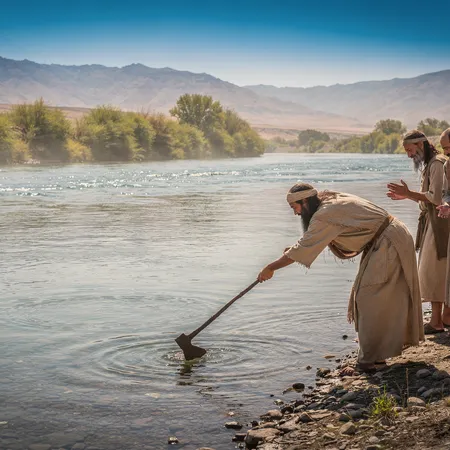
2 Kings 6
The Floating Ax Head
Elisha causes an ax head that had fallen into the water to float, demonstrating his power over nature.
2 Kings 7
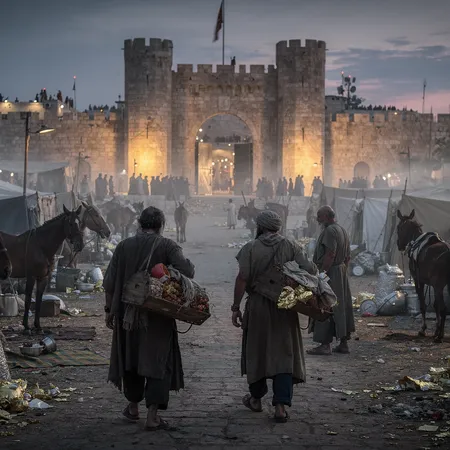
The Siege of Samaria Lifted
The Lord lifts the siege of Samaria through Elisha's prophecy, bringing great abundance to the city.

2 Kings 8
Jehoram's Reign and Death in Israel
Jehoram becomes king of Israel and leads the people into idolatry, eventually dying a painful death.

2 Kings 9
Jehu Anointed King of Israel
Jehu is anointed king of Israel by one of the sons of the prophet Elisha.

2 Kings 10
Jehu's Purge of the House of Ahab
Jehu carries out a violent purge of the house of Ahab, eliminating all the remaining members of the dynasty.

2 Kings 11
Athaliah Overthrown
Athaliah becomes queen of Judah and promotes idolatry, leading to her eventual overthrow and death.
2 Kings 12
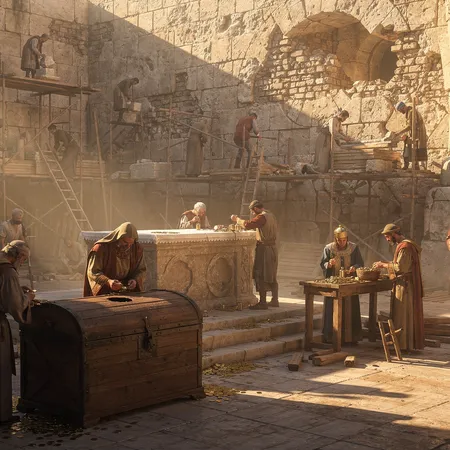
Repair of the Temple
Joash becomes king of Judah and carries out reforms, repairing the temple and removing idolatry.

2 Kings 13
Jehoahaz's Reign in Israel
Jehoahaz becomes king of Israel and leads the people into idolatry, eventually dying a painful death.
2 Kings 14
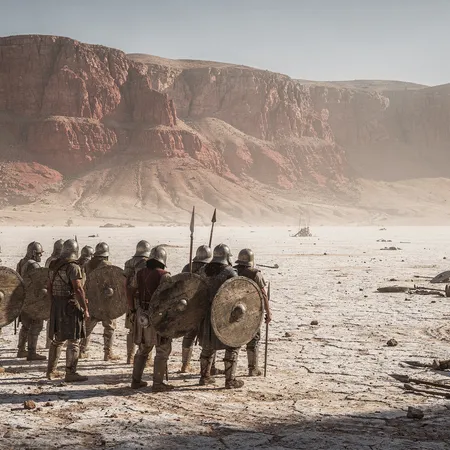
Amaziah's Reign in Judah
Amaziah becomes king of Judah and carries out reforms, defeating the Edomites in battle.
2 Kings 15
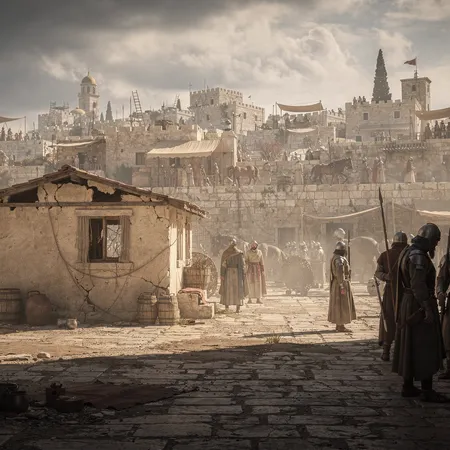
Reigns of Azariah, Jotham, Ahaz, and Hezekiah
Azariah, also known as Uzziah, becomes king of Judah and carries out reforms, but also becomes proud and is struck with leprosy.
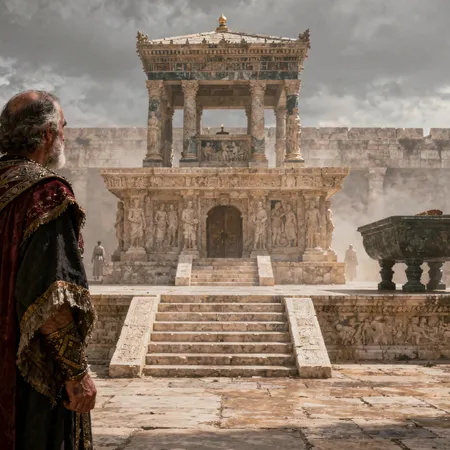
2 Kings 16
Hoshea's Reign and Fall of Samaria
Hoshea becomes king of Israel and leads the people into idolatry, eventually causing the fall of Samaria to the Assyrians.
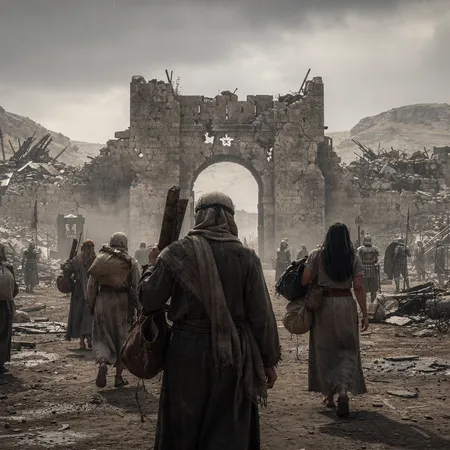
2 Kings 17
The Assyrian Exile of Israel
The people of Israel are exiled to Assyria as punishment for their idolatry and disobedience.
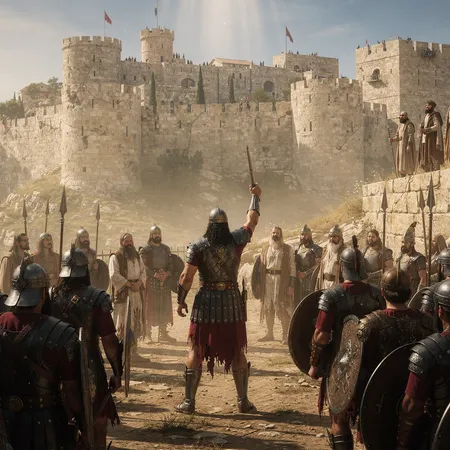
2 Kings 18
Hezekiah's Reign in Judah
Hezekiah becomes king of Judah and carries out reforms, including removing idolatry and repairing the temple.
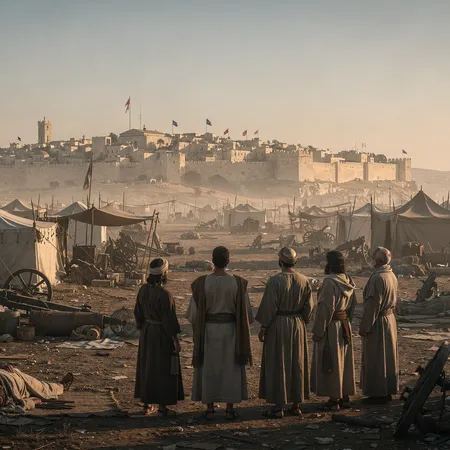
2 Kings 19
Sennacherib's Invasion of Judah
Sennacherib, the king of Assyria, invades Judah, but is ultimately defeated

2 Kings 20
Hezekiah's Illness and Deliverance
Hezekiah becomes ill and is delivered from death by the Lord through the prophet Isaiah.
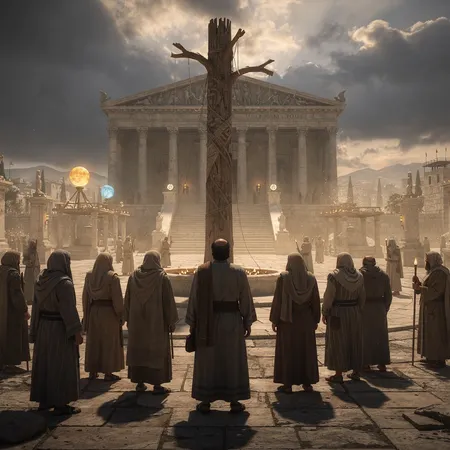
2 Kings 21
Manasseh's Reign in Judah
Manasseh becomes king of Judah and leads the people into great evil, including idol worship and child sacrifice.

2 Kings 22
Josiah's Reforms in Judah
Josiah becomes king of Judah and carries out extensive reforms, removing idolatry and repairing the temple.
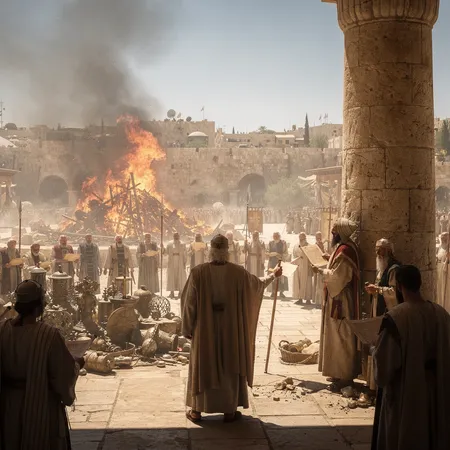
2 Kings 23
The Book of the Law Found
The book of the law is discovered during repairs to the temple, leading to further reforms and a revival of faith.
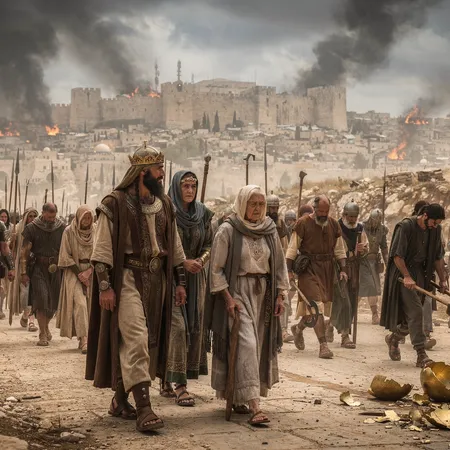
2 Kings 24
Babylonian Captivity of Judah
Nebuchadnezzar, the king of Babylon, conquers Judah and exiles many of its citizens to Babylon.
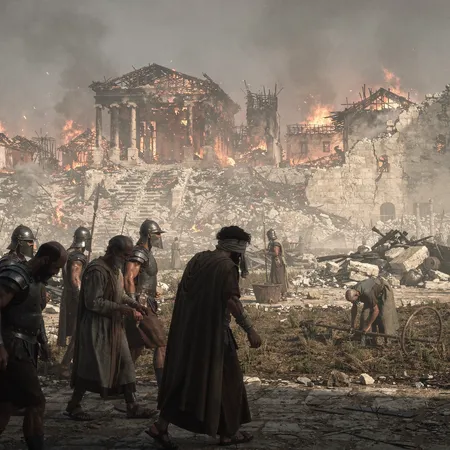
2 Kings 25
Fall of Jerusalem and End of the Kingdom
Jerusalem is destroyed and the kingdom of Judah comes to an end, with the remaining citizens taken into exile in Babylon.
Keep reading in the BiblePics app
The free app remembers where you stopped and keeps your reading streak, so the next chapter is one tap away.